Emperor Tiberius

Definition and stakes

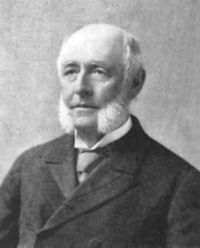
James Smith Reid,  Encyclopædia Britannica, Ninth Edition (1888)

“ The emperor now indicated clearly his expectation that Tiberius would be his principal successor. The two essential ingredients in the imperial authority—the proconsulare imperium and the tribunicia potestas—were conferred on Tiberius, and not on Agrippa, who was too young to receive them. Tiberius's career as a general now began anew. In two or three safe rather than brilliant campaigns he strengthened immensely the Roman hold on Germany, and established the winter camps of the legions in the interior, away from the Rhine. ”

Source: Wikisource

Portrait of Gaius Suetonius Tranquillus Gaius Suetonius Tranquillus,  The Lives of the Twelve Caesars

“ But after all I cannot be led to believe that an emperor of the utmost prudence and foresight acted without consideration, especially in a matter of so great moment. It is my opinion that after weighing the faults and the merits of Tiberius, he decided that the latter preponderated, especially since he took oath before the people that he was adopitng Tiberius for the good of the country, and alludes to him in several letters as a most able general and the sole defence of the Roman people. ”
Source: Wikisource

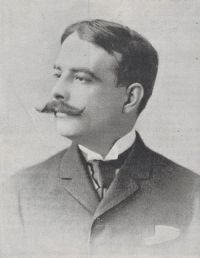
James Smith Reid,  1911 Encyclopædia Britannica, Volume 26… (1911)

“ The care expended by Tiberius on the provinces was unremitting. His favourite maxim was that a good shepherd should shear the flock and not flay it. When he died he left the subject peoples of the empire in a condition of prosperity such as they had never known before and never knew again. Soldiers, governors and officials of all kinds were kept in wholesome dread of vengeance if they oppressed those beneath them or encouraged irregularity of any kind. Strict economy permitted light taxation and enabled the emperor to show generosity in periods of exceptional distress. ”
Source: Wikisource

Get perspective with Kwize: daily news enlightened by great literature