Equus

Definition and stakes

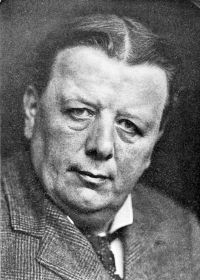
Portrait of Alfred Russel Wallace Alfred Russel Wallace,  The Geographical Distribution of Animals… (1876)

“ Beginning with the Perissodactyla, or odd-toed ungulates, we find the Equine animals remarkably numerous and interesting. The true horses of the genus Equus, so abundant in the Post-Pliocene formations, are represented in the Pliocene by several ancestral forms. The most nearly allied to Equus is Pliohippus, consisting of animals about the size of an ass, with the lateral toes not externally developed, but with some differences of dentition. ”

Source: Wikisource

Sir Charles Alexander Cameron,  The Stock-Feeder's Manual

“ As certain individuals are grouped by naturalists into species, so particular species, which in habits and general appearance resemble each other, are arranged under the head of genus. The horse, the ass, and the zebra are formed on nearly the same anatomical plan; they are therefore classed together, and designated the genus Equus, a term derived from the Latin word equus, a horse—that animal being regarded as the type, or perfect member of the group. Thus the horse, in the nomenclature of the naturalist, is termed Equus caballus ”
Source: Gutenberg

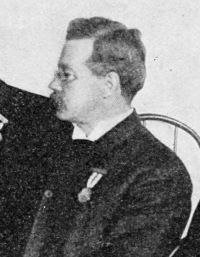
Portrait of Oliver Perry Hay Oliver Perry Hay,  The Pleistocene of North America

“ In the National Museum is a finely preserved upper right third or fourth premolar of what appears to be Equus complicatus which is recorded having been found in Wando River, northwest from Charleston. The tooth is 75 mm. high, 31 mm. long on the grinding-face, and 27 mm. wide. The enamel is much complicated. In Holmes’s “Post-Pleiocene Fossils of South Carolina,” on pages 102 and 104, Leidy mentions an upper second premolar of Equus fraternus found on Goose Creek, about 12 miles from Charleston. He added a paragraph on the geology. ”
Source: Gutenberg

Get perspective with Kwize: daily news enlightened by great literature