“ And the monks reaped a rich reward from their ingenuity! Passing Valmont, with its old castle of the D’Estoutevilles, we come to Etretat, a much more fashionable bathing-place than Fécamp.The coast at Etretat is grand and beautiful, though the beach is stony. The sea with its ceaseless work has carved caverns in the high cliffs. The three principal headlands, standing grandly out to sea, all end in a natural arch. Here, as elsewhere, fishermen mingle with the gay crowd that increases the population some five hundred per cent. ”
Etretat
Definition and stakes
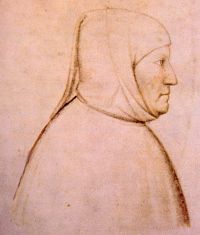
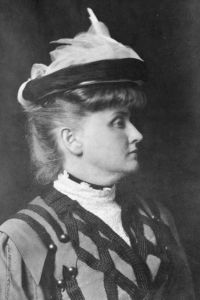
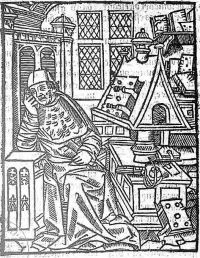
The theme of Etretat encompasses a variety of literary inquiries, though its exact conceptual emphasis remains vague in the available information. Writers such as Tertullian, Petrarca, and Gertrude Atherton grapple with themes of mortality, divine reckoning, and existential anguish, as reflected in their contemplations of death’s certainty and its ethical consequences.
Although the thematic link to Etretat is not clearly stated in the excerpts, the persistent concern with impermanence and human frailty hints at a potential metaphorical or symbolic alignment with the coastal town’s historical or geographical importance. The convergence of these viewpoints highlights a literary tradition that portrays Etretat as a setting for reflections on destiny, self-sacrifice, and the relationship between human action and cosmic powers.
Quotes about “Etretat”
“ To burn the hall commanded / Etzel's wife in ire, And tortured they those warriors / there with flaming fire; Full soon with wind upon it / the house in flames was seen. To any folk did never / sadder plight befall, I ween. 2112 Their cries within resounded: / "Alack for sorest need! How mickle rather lay we / in storm of battle dead. 'Fore God 'tis cause for pity, / for here we all must die! Now doth the queen upon us / vengeance wreak full grievously." ”
 Tertullian,
Ante-Nicene Fathers Vol. III, Anti-Marcion…
(1885)
Tertullian,
Ante-Nicene Fathers Vol. III, Anti-Marcion…
(1885)
“ In this way, then, it is that corruption shall not inherit incorruption; in other words, death shall not continue. When and how shall it cease? In that “moment, that twinkling of an eye, at the last trump, when the dead shall rise incorruptible.” [12] But what are these, if not they who were corruptible before—that is, our bodies; in other words, our flesh and blood? And we undergo the change. But in what condition, if not in that wherein we shall be found? “For this corruptible must put on incorruption, and this mortal must put on immortality.” [13] What mortal is this but the flesh? ”