Etruscan art

Definition and stakes

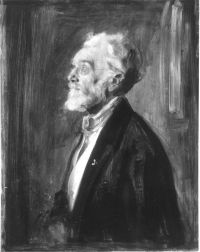
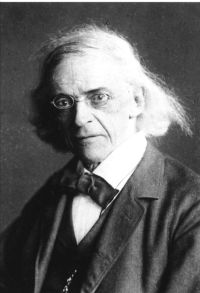
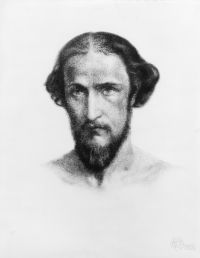
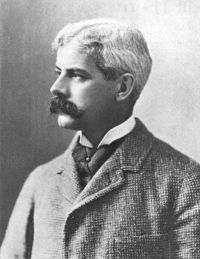
Portrait of Edward A. Freeman Edward A. Freeman,  Studies of Travel: Italy

“ At Florence, at Arezzo, at Cortona, at Perugia, the collections which each city has brought together make us familiar, if we are not so already, with much of Etruscan art and Etruscan life. Or shall we say that what they really make us familiar with is more truly Etruscan death? Our knowledge of most nations of remote times comes largely from their tombs and from the contents of their tombs, and this must specially be the case with a people who, like the Etruscans, have left no literature behind them. ”
Source: Gutenberg

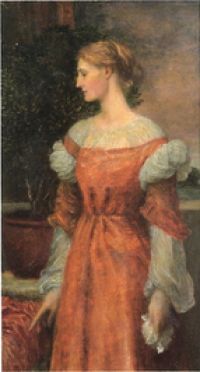
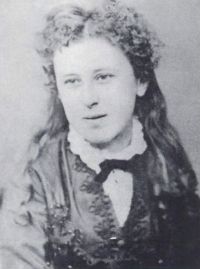
Portrait of Grant Allen Grant Allen,  Science in Arcady

“ In the painted tombs of ancient Etruria you may see the familiar devil with his three-pronged fork thrusting souls back into the seething flood of a heathen hell, as Orcagna's here thrust them back similarly into that of its more modern Christian successor. All Etruscan art is full throughout of such horrors. You find their traces abundantly in the antique Etruscan museum at Florence; you find them on the mediæval Campo Santo at Pisa; you find them with greater skill, but equal repulsiveness, in the work of the great Renaissance artists. The 'ghastly glories of saints' the Tuscan revels in. ”
Source: Gutenberg

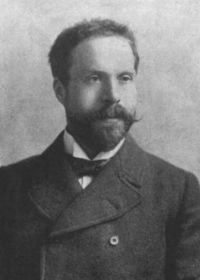
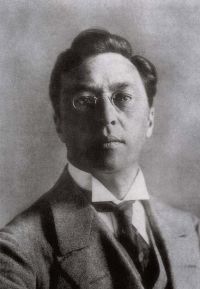
Portrait of Franz von Reber Franz von Reber,  History of Ancient Art

“ A consideration of Etruscan art is important, because, without it, an understanding of Roman art is not possible, at least in the fields of architecture and sculpture. Up to a certain point of time, Roman art was entirely developed from Etruscan art, or, perhaps, went hand in hand with it, as will be more particularly shown in the following section. The subject should be more closely investigated, especially in the province of painting, with the hope that, from analogous illustrations, much which still remains dark in primitive Hellenic art may also be made clear.{413}
Fig.
”
Source: Gutenberg

Get perspective with Kwize: daily news enlightened by great literature