Eudoxius of Antioch

Definition and stakes

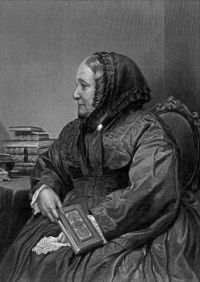
Portrait of Philip Schaff Philip Schaff Nicene and Post-Nicene Fathers… (1885)

It was reported that he acted with the concurrence of the emperor, and of the eunuchs belonging to the palace, who, like Eudoxius, favored the doctrines of Aëtius, and believed that the Son is dissimilar from the Father. When Eudoxius found himself in possession of the church of Antioch, he ventured to uphold this heresy openly. He assembled in Antioch all those who held the same opinions as himself, among whom was Acacius, bishop of Tyre, and rejected the terms, “of like substance,” and “consubstantial,” under the pretext that they had been denounced by the Western bishops.
Source: Wikisource

Portrait of Philip Schaff Philip Schaff Nicene and Post-Nicene Fathers… (1885)

Such being the state of the church at Antioch, the partisans of Eudoxius thought it would be well to intrust the bishopric of that city to Meletius, then bishop of Sebaste, he being possessed of great and persuasive eloquence, of excellent life, and all, as they imagined, being of like opinions with themselves. They believed that his reputation would attract the inhabitants of Antioch and of the neighboring cities to conform to their heresy, particularly those called Eustathians, who had adhered invariably to the Nicene doctrines.
Source: Wikisource

Portrait of Philip Schaff Philip Schaff Nicene and Post-Nicene Fathers… (1885)

On receipt of these despatches Constantius wrote to the Antiochenes denying that he had committed the see of Antioch to Eudoxius, as Eudoxius had publicly announced. He ordered that Eudoxius be banished, and be punished for the course he had taken at the Bithynian Nicæa, where he had ordered the synod to assemble. Eudoxius himself had persuaded the officers entrusted with authority in the imperial household to fix Nicæa for the Council.
Source: Wikisource

Get perspective with Kwize: daily news enlightened by great literature