Eurypterus

Definition and stakes

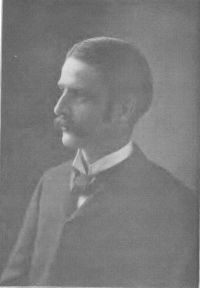
Portrait of John Mason Clarke John Mason Clarke,  The Eurypterida of New York (1912)

“ It is a fauna in which the genera Eurypterus and Pterygotus prevail in number of species (Eurypterus with five, Pterygotus with three) and in the size of the creatures, which are there obviously near the climax of their development. It is also the horizon where individual development is greatest. [5]
One or two stragglers, notably Eurypterus remipes, return in the Rondout waterlime in greatly diminished number, and a new peculiar type of Eurypterus (E. microphthalmus) appears in waterlime intercalations of the Manlius limestone above.
”
Source: Wikisource

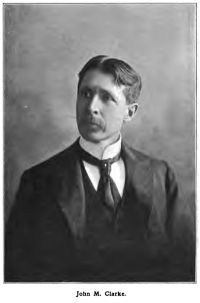
Portrait of John Mason Clarke John Mason Clarke,  The Eurypterida of New York (1912)

“ Omitting for the present the peculiar case of the Eurypterus horizons in the Frankfort shale and the Shawangunk grit and returning to the more typical Eurypterus facies represented by the waterlimes and shales of the Salina formation of western New York, we encounter the venerable and still current view that these beds were formed under conditions of much abnormal salinity. ”
Source: Wikisource

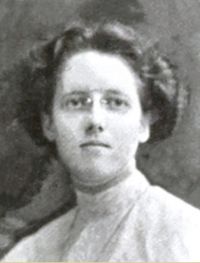
Portrait of Marjorie O'Connell Marjorie O'Connell,  The Habitat of the Eurypterida (1916)

“ Eurypterus pygmæus Salt. and Stylonurus megalops Salt. are common as fragments in the higher olive shales of the Temeside group. Pterygotus banksii Salt. together with numerous indeterminable species of Eurypterus are found in the Ludlow Bone-Bed; this species is also common in the Platyschisma bed and the upper olive shales of the Temeside group; in the same shale P. ludensis Salt. is abundant. In all cases where species are reported to be common it is to be remembered that no entire specimens are found but only fragments and disjecta membra. ”
Source: Wikisource

Get perspective with Kwize: daily news enlightened by great literature