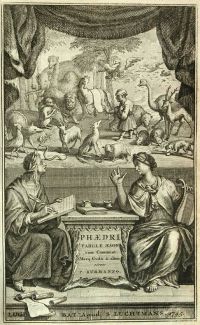
Fabales

Definition and stakes

Roger L'Estrange,  Fables of Æsop and Other Eminent Mythologists (1692)

“ And for the Other of Ancient Date, the Morals are so Insipid and Flat, and the Style and Diction of the Fables, so Course and Uncouth, that they are rather Dangerous, than Profitable, as to the purpose they we're Principally Intended for; and likely to do Forty times more Mischief by the One then Good by the Other. An Emblem without a Key to't, is no more then a Tale of a Tub; and that Tale sillily told too, is but One Folly Grafted upon Another. Children are to be Taught, in the first Place, what they Ought to do. ”
Source: Wikisource

Roger L'Estrange,  Fables of Æsop and Other Eminent Mythologists… (1692)

“ Here's a Recommendation of Clemency and Wisdom, Both in One; for the Lion, in sparing the Life of the Mouse, sav'd his Own; and has left us in this Fable, an Instance of a Grateful Beast, that will stand upon Record to the Confusion of many an Ungrateful Man, that is to say, against those that in their Prosperity forget the Friends, that to their Loss and Hazard, flood by and succour'd them in their Adversity. This is a Sin of so odious and Dangerous an Example, that it puts even Piety, and Gratitude it self out of Countenance. ”
Source: Wikisource

René le Bossu,  Monsieur Bossu's Treatise of the Epick Poem (1695)

“ The Nature of the Fable will not admit us to doubt hereof; since all the Actions that are there rehears'd under the Names of a Dog, a Wolf, a Lyon, a Man, and the like, are not design'd to inform us of the Nature of these Animals to which they are applied; or to tell us of some Adventure that happen'd to them: For the Author of a Fable does not mind any such thing. These Personages on the contrary are only design'd to sustain the Action he has invented. ”
Source: Wikisource

Get perspective with Kwize: daily news enlightened by great literature