Floralia

Definition and stakes

H. A. Guerber,  Myths of Greece and Rome

“ The fairest among all the lesser gods was doubtless Flora, goddess of flowers, who married Zephyrus, the gentle god of the south wind, and wandered happily with him from place to place, scattering her favors with lavish generosity. She was principally worshiped by young girls, and the only offerings ever seen on her altars were fruits and garlands of beautiful flowers. Her festivals, generally celebrated in the month of May, were called the Floralia. ”

Source: Gutenberg

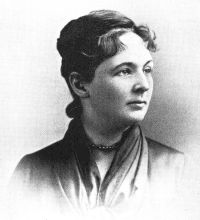
Portrait of Marie Louise de la Ramée Marie Louise de la Ramée,  In a Winter City (1876)

“ Foreign Floralia, i.e., that portion of Floralia which is not indigenous to the soil, but has only flown south with the swallows, is remarkable for a really god-like consciousness—it knows everything about every body, and all things, past, present, and to come, that ever did, could, would, should, cannot, will not, or never shall happen; and is aware of all things that have ever taken place, and of a great many things that never have done so. It is much better informed about you than you are yourself ”
Source: Wikisource

T. F. Thiselton-Dyer,  The Folk-lore of Plants

“ Flowers, in fact, were in demand on every conceivable occasion, a custom which was frequently productive of costly extravagance. Then there was their festival of the Floralia, in honour of the reappearance of spring-time, with its hosts of bright blossoms, a survival of which has long been kept up in this country on May Day, when garlands and carols form the chief feature of the rustic merry-making. ”
Source: Gutenberg

Get perspective with Kwize: daily news enlightened by great literature