Florence Nightingale

Definition and stakes

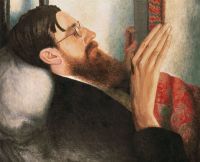
Portrait of Lytton Strachey Lytton Strachey Eminent Victorians — Florence Nightingale (1918)

Every one knows the popular conception of Florence Nightingale. The saintly, self-sacrificing woman, the delicate maiden of high degree who threw aside the pleasures of a life of ease to succour the afflicted, the Lady with the Lamp, gliding through the horrors of the hospital at Scutari, and consecrating with the radiance of her goodness the dying soldier's couch—the vision is familiar to all.
Source: Wikisource

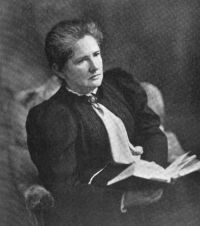
Portrait of Florence Nightingale Florence Nightingale Notes on Nursing: What It Is, and What It Is Not (1860)

While history abides, the image of Florence Nightingale, lamp in hand, going through miles of beds, night by night, noting every patient as she went, and ministering wherever most wanted, will always glow in men's hearts; and the sayings of the men about her will be traditions for future generations to enjoy.
She was prostrated by the Crimean fever at Balaklava, and carried up to the hospital on the cliffs till she began to mend, when she was taken to sea. She would not come home, because her work at Scutari was not finished.
Source: Wikisource

Portrait of Lytton Strachey Lytton Strachey Eminent Victorians — Florence Nightingale (1918)

The name of Florence Nightingale lives in the memory of the world by virtue of the lurid and heroic adventure of the Crimea. Had she died—as she nearly did—upon her return to England, her reputation would hardly have been different; her legend would have come down to us almost as we know it to-day—that gentle vision of female virtue which first took shape before the adoring eyes of the sick soldiers at Scutari.
Source: Wikisource

Get perspective with Kwize: daily news enlightened by great literature