Fourth Crusade

Definition and stakes

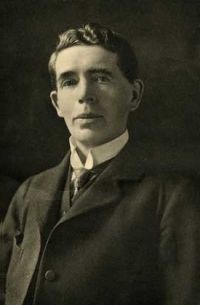
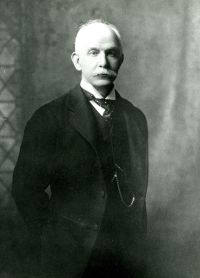
Portrait of John Bagnell Bury John Bagnell Bury,  1911 Encyclopædia Britannica (1911)

“ The true statement is that the Fourth Crusade was only an incident (not in itself decisive) in a world-movement which doomed the Eastern Empire to extinction—namely, the eastward movement of western Europe which began in the 11th century with the rise of the Normans and the First Crusade. Henceforward the Empire was a middle state, pressed between expanding forces on the east and on the west, and its ultimate disappearance was inevitable. ”
Source: Wikisource

Hutton Webster,  Early European History

“ RESULTS OF THE CRUSADES FAILURE OF THE CRUSADES The crusades, judged by what they set out to accomplish, must be accounted an inglorious failure. After two hundred years of conflict, after a vast expenditure of wealth and human lives, the Holy Land remained in Moslem hands. It is true that the First Crusade did help, by the conquest of Syria, to check the advance of the Turks toward Constantinople. But even this benefit was more than undone by the weakening of the Roman Empire in the East as a result of the Fourth Crusade. ”
Source: Gutenberg

Ernest Barker,  1911 Encyclopædia Britannica (1911)

“ The last Crusade had, after all, been under papal control: if Richard I. had directed the Third Crusade, and the policy of the Hohenstaufen and the Venetians had directed the Fourth, it was a papal legate who had steered the Fifth to its ultimate fate. The Crusade of Frederick II. in 1228–1229 finds its analogy in the projected Crusade of Henry VI.; it is essentially lay. It is unique in the annals of the Crusades. ”
Source: Wikisource

Get perspective with Kwize: daily news enlightened by great literature