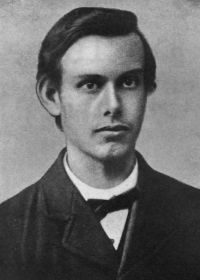
Francis Thompson

Definition and stakes

Everard Meynell,  The Life of Francis Thompson

“ Thompson's poetry scarcely comes by way of the outward eye at all. He scarcely depends upon occasions. In a dungeon one imagines that he would be no less a poet. The regal air, the prophetic ardours, the apocalyptic vision, the supreme utterance—he has them all. A rarer, more intense, more strictly predestinate genius has never been known to poetry. To many this may well appear the simple delirium of over-emphasis. The writer signs for those others, nowise ashamed, who range after Shakespeare's very Sonnets the poetry of a living poet, Francis Thompson. ”
Source: Gutenberg

Everard Meynell,  The Life of Francis Thompson

“ But not merely as critic did Francis Thompson realise the greatness of Thompson. The innermost chambers of his consciousness buzzed with the certainty of his poetic gravity and significance. He trusted the quality of the poetry within him as an ordinary man trusts the beat of his pulse and counts upon it. There were anxieties of composition and, of course, the ebb and flow of satisfaction in himself and a final despair. But before that he had known that he was, and he still knew that he had been, a poet. ”
Source: Gutenberg

Katherine Brégy,  The Poets' Chantry (1912)

“ In Francis Thompson, more, seemingly, than in any poet of the present time, has the ascetic ideal found a champion and an exponent.
Lose, that the lost thou may'st receive;
Die, for none other way canst live,
he bids us, in words which might echo those once spoken beside the Sea of Galilee. The world has never been willing to accept them without a struggle. Indeed, may it not be that only through struggle and conflict and defeat is their truth made manifest?
No really morbid heart has ever been able to delight in children: but Thompson loved them frankly and faithfully.
”
Source: Wikisource

Get perspective with Kwize: daily news enlightened by great literature