German infantry

Definition and stakes

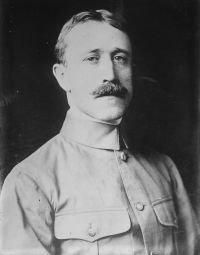
C. E. W. Bean,  Letters from France

“ The German Staff claims that German infantry is the best in the world. Certainly it is tough, and thoroughly convinced that it is better than any of its friends. "The Turk is a pretty good fighter," said a German to me a few days ago, "and the Bulgars fight well. The Austrians are worth little. Every time the Russians drive the Austrians back they have to call us in to repulse the Russians again for them."
The German infantryman is tough, but not tougher than ours, and without the dash; his outstanding virtue is his great power of work.
”
Source: Gutenberg

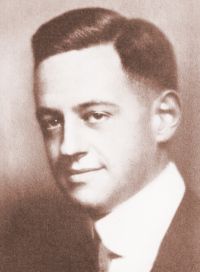
Portrait of Eric Fisher Wood Eric Fisher Wood,  The Note-Book of an Attaché: Seven Months in the War Zone

“ The German infantry, after spending a certain length of time at the front, are given a vacation and sent home. I could not ascertain the exact length of their stay in the trenches although it seems to be about a [Pg 227] month. The artillery stay continuously on the battle-line as their work is less arduous and nerve-racking, since they are always somewhat toward the rear and usually well housed. Moreover, they fire only occasionally and have long periods of inactivity. The cavalry spends one week in action and then one week in the rear, some ten or fifteen miles behind the firing-line. ”
Source: Gutenberg

Edmund Dane,  The Battle of the Rivers

“ In the letter are these sentences:—
"German infantry and cavalry will not attack English infantry and cavalry at close quarters. Their fire is murderous. The only way to attack them is with artillery."
Upon this advice the enemy seem to act. They make the best use of their guns, and keep up an incessant fire, which is often well directed, though the effect is not nearly so deadly as they imagine. Their machine guns—of which they have great numbers—are also handled with skill, and make many gaps in our ranks. But the enemy rarely charge with the bayonet.
”
Source: Gutenberg

Get perspective with Kwize: daily news enlightened by great literature