Gorboduc

Definition and stakes

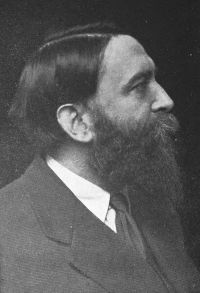
Arnold Wynne,  The Growth of English Drama

“ The supreme quality of Tragedy is in its power to raise feelings of intense emotion, of horror or grief, or of both. Failing in this, it fails altogether. To this end Seneca introduced his Ghost, and his disciples filled their speeches with passionate outcry and lurid pictures of horrible events unfit to be presented in actuality. Gorboduc rained death upon a whole nation, Tancred and Gismunda invoked every awful epithet and gruesome description of dungeon and murder, for the same purpose. ”
Source: Gutenberg

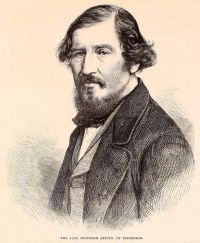
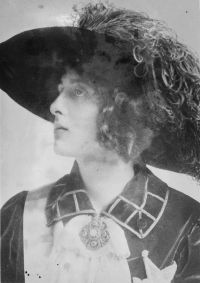
Portrait of V. Sackville-West V. Sackville-West,  Knole and the Sackvilles

“ Here and there there are signs of the stateliness and poetical imagery of the Induction, but for the most part the decasyllables stop dead at their close and begin afresh at their beginning with a staccato movement and a dull monotony of cadence which is inexpressibly tedious.
Professor Saintsbury rightly points out that the dullness of Gorboduc to our ideas is not a criterion of the effect it produced on readers of its own day.
”
Source: Gutenberg

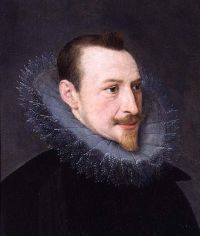
Portrait of Edmund Spenser Edmund Spenser,  The Faerie Queene — Volume 01

“ Gorboduc > (The story of Gorboduc and his sons is the subject of the first English tragedy, Gorboduc, acted in 1561, and printed in 1565 by Thomas Norton and Thomas Sackville, i.e. Lord Buckhurst, to whom one of Spenser's dedicatory sonnets is addressed: see I:588 ff.)
7 Till his ambitious sons to them twain
them twain > the two of them
8 Arraught the rule, and from their father drew:
Arraught > Arreached, obtained, got into possession of from > [it from] drew > withdrew
9 Stout Ferrex and stern Porrex him in prison threw.
Stout > Bold; arrogant
”
Source: Gutenberg

Get perspective with Kwize: daily news enlightened by great literature