Grand Duchy of Lithuania

Definition and stakes

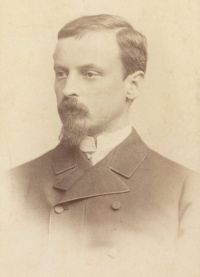
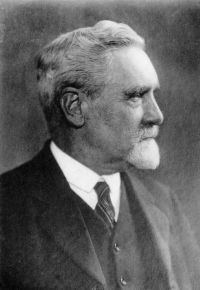
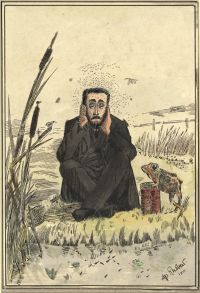
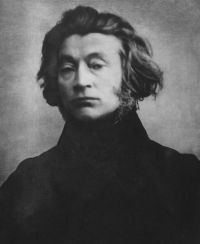
Portrait of Adam Mickiewicz Adam Mickiewicz Konrad Wallenrod: An Historical Poem

The Jagellons, and their more powerful vassals, became Poles; many Lithuanian princes adopted the Russian religion, language, and nationality. By these means the Grand Duchy of Lithuania ceased to be Lithuanian; the nation proper found itself within its former boundaries, its speech ceased to be the language of the court and nobility, and was only preserved among the common people. Litwa presents the singular spectacle of a people which disappeared in the immensity of its conquests, as a brook sinks after an excessive overflow, and flows in a narrower bed than before.
Source: Gutenberg

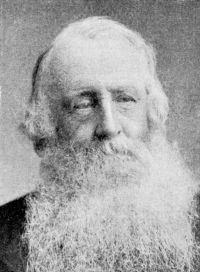
Robert N. Bain, David Hannay and William R. Morfill 1911 Encyclopædia Britannica (1911)

Henceforth the kingdom of Poland and the grand duchy of Lithuania were to constitute one inseparable and indivisible body politic, under one sovereign, elected in common, with one diet and one currency. All dependencies and colonies, including Prussia and Livonia, were to belong to Poland and Lithuania in common.
Source: Wikisource

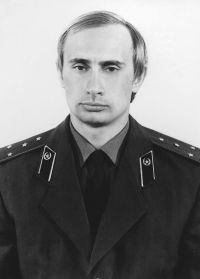
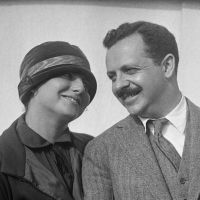
Portrait of Vladimir Putin Vladimir Putin On the Historical Unity of Russians and Ukrainians (2021)

At the same time, both the nobility and the common people perceived Rus as a common territory, as their homeland.
The fragmentation intensified after Batu Khan’s devastating invasion, which ravaged many cities, including Kiev. The northeastern part of Rus fell under the control of the Golden Horde but retained limited sovereignty. The southern and western Russian lands largely became part of the Grand Duchy of Lithuania, which – most significantly – was referred to in historical records as the Grand Duchy of Lithuania and Russia.
Source: Wikisource

Get perspective with Kwize: daily news enlightened by great literature