Greco-Roman philosophy

Definition and stakes

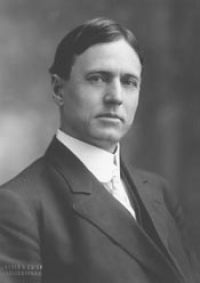
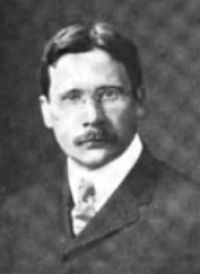
Portrait of Clifford Herschel Moore Clifford Herschel Moore,  The Religious Thought of the Greeks…

“ This did not mean, however, that men had lost their religious longing. Far from it. For there is abundant proof that under the stimulus of Greek philosophy and mysticism, questionings as to the nature of man, his relation to divinity, and his immortality became more earnest. To these questions the Greco-Roman religion offered no answer.
The oriental gods, however, were of a very different sort from those of Greece and Rome: they required a spiritual devotion on the part of their devotees and they made strong appeals to the religious emotions.
”

Source: Gutenberg

Portrait of Clifford Herschel Moore Clifford Herschel Moore,  The Religious Thought of the Greeks…

“ Unmoral or even immoral when first brought into the Greco-Roman world, a number of them adopted first the current secular morality and eventually became strong moral agencies. Finally they all displayed a pantheistic tendency. We have already seen how philosophy inclined from the first toward pantheism or monotheism; that the general attitude which first belonged to the philosopher became finally common to large numbers of men, for the human mind [269] naturally tends to see resemblances and through them affinities, rather than their opposites. ”
Source: Gutenberg

Get perspective with Kwize: daily news enlightened by great literature