The Greenback Party, a 19th-century U.S. political movement active from 1874 to 1889, supported paper money instead of gold-backed currency to reduce the financial strain on farmers and workers. Arising from rural dissatisfaction and calls for labor reform, it resisted deflationary measures and aimed to challenge financial power structures.
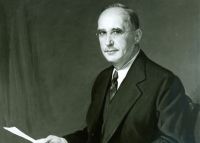
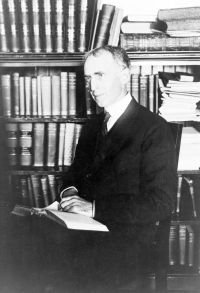
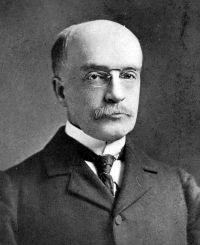
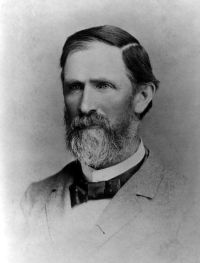
Historians such as Carl Schurz criticized its dependence on "crude financial plans," while Robert Green Ingersoll viewed it as a labor effort against monopolies. Solon Buck observed its limited influence over farmers, and Charles A. Beard emphasized its role in opposing economic downturns. Although brief, its impact reemerged in the Populist and Progressive movements, illustrating ongoing conflicts between economic fairness and monetary regulation.