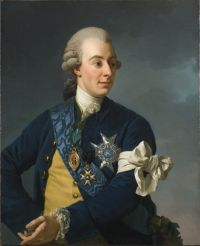
Gustavus Adolphus of Sweden

Definition and stakes

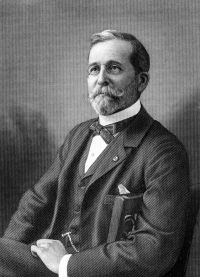
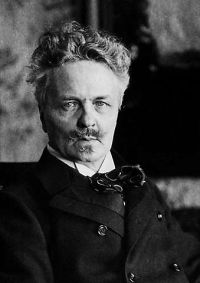
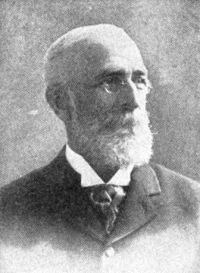
Portrait of Carlton J. H. Hayes Carlton J. H. Hayes A Political and Social History of Modern Europe V.1

Gustavus Adolphus was one of the most attractive figures of his age—in the prime of life, tall, fair, and blue-eyed, well educated and versed in seven languages, fond of music and poetry, skilled and daring in war, impetuous, well balanced, and versatile. A rare combination of the idealist and the practical man of affairs, Gustavus Adolphus had dreamed of making Protestant Sweden the leading power in northern Europe and had vigorously set to work to achieve his ends.
Source: Gutenberg

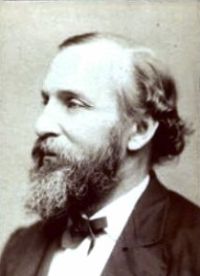
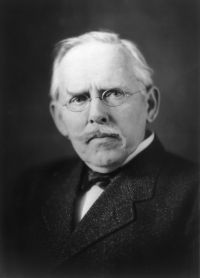
Ian C. Hannah Capitals of the Northlands: Tales of Ten Cities

Lost now is the position to which Sweden once attained, chief military power in the North, but higher her place in the world. The sword-won dominion of Gustavus Adolphus could not endure for very long—geography forbade—but a nobler Swedish empire was founded, or at any rate consolidated, by the genius of Linnæus, and that shows no sign of decay. There will dawn a day when mere brute force will no longer be the test of a nation's weal, but in Europe it is hardly yet.
Source: Gutenberg

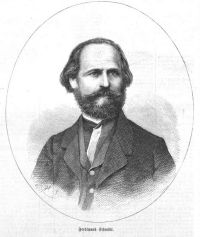
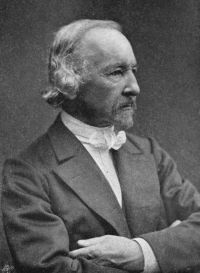
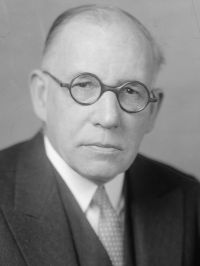
Portrait of Friedrich Schiller Friedrich Schiller The History of the Thirty Years' War

Gustavus had left no male heir to the crown of Sweden: his daughter Christina, then six years old, was the natural heir. The unavoidable weakness of a regency, suited ill with that energy and resolution, which Sweden would be called upon to display in this trying conjuncture. The wide reaching mind of Gustavus Adolphus had raised this unimportant, and hitherto unknown kingdom, to a rank among the powers of Europe, which it could not retain without the fortune and genius of its author, and from which it could not recede, without a humiliating confession of weakness.
Source: Gutenberg

Get perspective with Kwize: daily news enlightened by great literature