Hareton Earnshaw

Definition and stakes

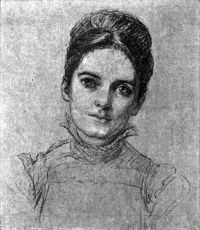
Portrait of A. Mary F. Robinson A. Mary F. Robinson,  Emily Brontë

“ Hareton Earnshaw, the real heir of Wuthering Heights, and Catharine, the real heir of Thrushcross Grange, had fallen in love with each other. A most unguessed-at and unlikely finale; yet most natural. For Catharine was spoiled, accomplished, beautiful, proud—yet most affectionate and tender-hearted: and Hareton rude, surly, ignorant, fierce; yet true as steel, staunch, and with a very loving faithful heart, constant even to the man who [Pg 202] had, of set purpose, brutalised him and kept him in servitude. "'Hareton is damnably fond of me!' laughed Heathcliff. ”
Source: Gutenberg

Portrait of May Sinclair May Sinclair,  The Three Brontës

“ The evil wrought by Heathcliff, like the passion that inspired and tortured him, is an unearthly thing. Charlotte showed insight when she said in her preface to Wuthering Heights: "Heathcliff betrays one solitary human feeling, and that is not his love for Catherine; which is a sentiment fierce and inhuman ... the single link that connects Heathcliff with humanity is his rudely confessed regard for Hareton Earnshaw—the young man whom he has ruined; and then his half-implied esteem for Nelly Dean." ”
Source: Gutenberg

Portrait of A. Mary F. Robinson A. Mary F. Robinson,  Emily Brontë

“ The years passed, nothing happened, save that Hindley Earnshaw died, and Heathcliff—to whom every yard had been mortgaged, took possession of the place; Hareton, who should have been the first gentleman in the neighbourhood, "being reduced to a state of complete dependence on his father's inveterate enemy, lives as a servant in his own house, deprived of the advantages of wages, quite unable to right himself because of his friendlessness, and his ignorance that he has been wronged." ”
Source: Gutenberg

Get perspective with Kwize: daily news enlightened by great literature