Hesse-Cassel

Definition and stakes

Edward J. Lowell The Hessians and the other German auxiliaries of Great Britain in the revolutionary war (1884)

When he sent twelve thousand men to America he diminished the taxes of his remaining subjects, and though these were sad and down-trodden, though they mourned their sons and brothers sent to fight in a strange quarrel beyond the sea, we may linger for a moment regretfully over Frederick of Hesse-Cassel, for he dealt in good wares, he showed some personal dignity, and he was one of the least disreputable of the princes who sent mercenaries to America.
Source: Wikisource

Andrew Wynter Once a Week (1859)

The toys with motion, such as railroads, steam-vessels, and moving cabs, are the speciality of the people of Biberach, in Würtemberg. And where should those splendid cuirasses, helmets, guns, and swords come from but Hesse Cassel, the centre of soldiering Germany. But the workmen of the principality are not entirely devoted to arms. The charming little shops, and parlours, and the dolls-houses—without which no nursery is complete—are made here. Neither must we forget the theatres, beloved of boys.
Source: Wikisource

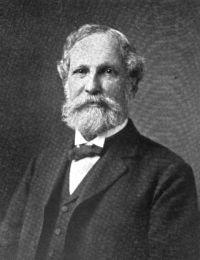
Portrait of J. G. Rosengarten J. G. Rosengarten A Defence of the Hessians

Hesse, and later Brandenburg Prussia, made service compulsory, and thus, in the years that followed the Thirty Years’ War, filled their armies with their own subjects. Still, voluntary enlistments continued and do so still. But no country cared for the enlisted man and for his protection from acts of violence at the hands of officers as Hesse-Cassel did, and yet no country has been so much blamed for its dealing with its soldiers. Personally, the Elector was opposed to all enlistments, both at home and from outside, and he tried hard to limit it after the close of the Seven Years’ War.
Source: Gutenberg

Get perspective with Kwize: daily news enlightened by great literature