Homeric Hymns

Definition and stakes

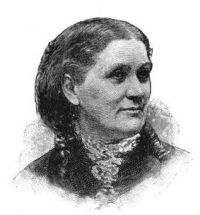
Portrait of Andrew Lang Andrew Lang,  The Homeric Hymns

“ However, the interest of the Hymn to Demeter is perfectly human, for the Goddess is in sorrow, and is mingling with men. The Hymn to Aphrodite, too, is Homeric in its grace, and charm, and divine sense of human limitations, of old age that comes on the fairest, as Tithonus and Anchises; of death and disease that wait for all. The life of the Gods is one long holiday; the end of our holiday is always near at hand. ”
Source: Gutenberg

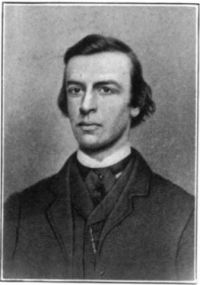
Portrait of Johann Wolfgang von Goethe Johann Wolfgang von Goethe,  Maxims and Reflections

“ In the presence of antiquity, the mind that is susceptible to poetry and art feels itself placed in the most pleasing ideal state of nature; and even to this day the Homeric hymns have the power of freeing us, at any rate, for moments, from the frightful burden which the tradition of several thousand years has rolled upon us. ”
Source: Gutenberg

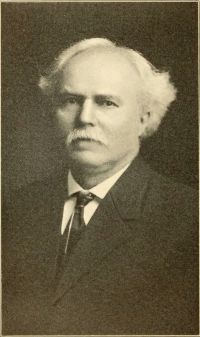
H.G. Evelyn-White,  Hesiod, the Homeric Hymns and Homerica… (1920)

“ The end of the Cycle marks also the end of the Heroic Age.
The Homeric Hymns.
The collection of thirty-three Hymns, ascribed to Homer, is the last considerable work of the Epic School, and seems, on the whole, to be later than the Cyclic poems. It cannot be definitely assigned either to the Ionian or Continental schools, for while the romantic element is very strong, there is a distinct genealogical interest; and in matters of diction and style the influences of both Hesiod and Homer are well-marked. The date of the formation of the collection as such is unknown.
”
Source: Wikisource

Get perspective with Kwize: daily news enlightened by great literature