Theogony

Definition and stakes

James Davies and John Henry Freese,  1911 Encyclopædia Britannica, Volume 13… (1911)

“ The other poem attributed to Hesiod or his school which has come down in great part to modern times is The Theogony, a work of grander scope, inspired alike by older traditions and abundant local associations. It is an attempt to work into system, as none had essayed to do before, the floating legends of the gods and goddesses and their offspring. ”
Source: Wikisource

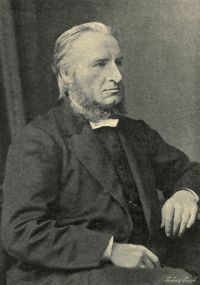
Portrait of George Grote George Grote,  History of Greece, Volume 01 (of 12…

“ Eudêmus the Peripatetic, pupil of Aristotle, had drawn up an account of the Orphic Theogony as well as of the doctrines of Pherekydês, Akusilaus and others, which was still in the hands of the Platonists of the fourth century, though it is now lost. The extracts which we find seem all to countenance the belief that the Hesiodic Theogony formed the basis upon which they worked. See about Akusilaus, Plato, Sympos. p. 178. Clem. Alex. Strom. p. 629.
[42] The Orphic Theogony is never cited in the ample Scholia on Homer, though Hesiod is often alluded to. (See Lobeck, Aglaoph. p. 540) .
”
Source: Gutenberg

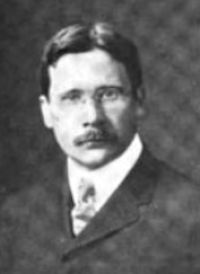
Portrait of Clifford Herschel Moore Clifford Herschel Moore,  The Religious Thought of the Greeks…

“ The gods of the Theogony are hardly moral beings; on the contrary much of the theology there presented is far ruder than that of the Iliad and Odyssey. Some of the tales are on the level of primitive mythology, such as the account of the way in which earth and heaven were separated and of the manner in which the earth was fertilized; others retain more offensive elements like that of Cronos devouring his children, or of Zeus swallowing his wife Metis when she was about to give birth to Athena, for it was fated that her child should be the equal of its father in wit and cunning. ”
Source: Gutenberg

Get perspective with Kwize: daily news enlightened by great literature