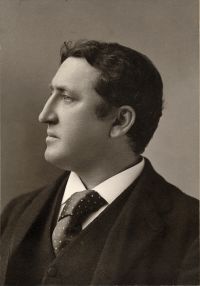
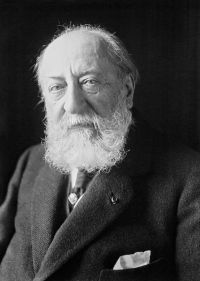
Ignacy Jan Paderewski

Definition and stakes

Paul Hume,  The Lion of Poland: The Story of Paderewski

“ It was the sort of audience that is usually described as “small but distinguished.” It included many members of the Polish aristocracy in exile who lived in Paris, their “second capital.” And they had brought with them whatever friends among the French nobility they could round up for the occasion. It made no difference to them that they had never even heard the name of the young man who was playing. The fact that this Ignace Jan Paderewski was a Polish artist was all they needed to know about him. ”
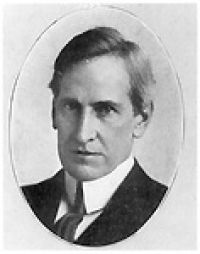
Source: Gutenberg

Edward Algernon Baughan,  Ignaz Jan Paderewski

“ In all criticism comparison must play an important part. However great may be the natural gifts of a critic his verdict on a particular artist is of not much value unless he has some clear standard of technical and interpretative excellence. Those who remembered Rubinstein at his best were on firmer ground in judging the new star, Paderewski, than those who knew him not. For this reason the enthusiastic estimate of Dr. William Mason, the well-known American writer on music and professor of the piano, has peculiar value. ”
Source: Gutenberg

Paul Hume,  The Lion of Poland: The Story of Paderewski

“ The money he had made in America was important to him for one reason: Alfred. At last he was able to afford the kind of country holiday he felt would be best for the boy’s health. Father and son spent a few wonderful months together in northern France. To his great joy, both his sister, Antonina, and Edward Kerntopf came from Poland for a visit. Antonina brought with her the love and blessings of their father, Jan Paderewski, who was too ill to travel, but the sister could report at first hand how his great pride in his son had illumined the good man’s last years. ”
Source: Gutenberg

Get perspective with Kwize: daily news enlightened by great literature