“ Camille was too ashamed and penitent to speak; too full of terror too at the abyss of crime from which he had been saved. The ancients feigned that a virgin could subdue a lion; perhaps they meant that a pure gentle nature can subdue a nature fierce but generous. Lion-like Camille walked by Josephine’s side with his eyes bent on the ground, the picture of humility and penitence. ”
Camille
Definition and stakes
Camille, a name of enduring literary resonance, denotes both a contemporary Belgian artist and a recurring figure in 19th-century fiction. As a singer and actress, Camille Dhont (born 2001) has emerged as a prominent figure in Flemish entertainment, blending musical and cinematic endeavors with advocacy for social causes. In contrast, literary portrayals of Camille—such as Balzac’s assertive Camille Maupin or Reade’s repentant heroine—highlight the name’s versatility in depicting complex female archetypes.
From the introspective elegance of Balzac’s “Beatrix” to the intense emotions in “Little Sweetheart,” authors have employed the name to explore themes of identity, morality, and longing. These stories, though different from Dhont’s modern career, emphasize Camille’s dual legacy as both a cultural figure and a lasting literary emblem.
Quotes about “Camille”
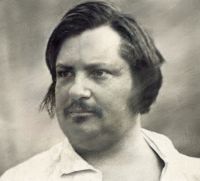 Honoré de Balzac,
Beatrix
(1839)
Honoré de Balzac,
Beatrix
(1839)
“ You have proved to me that Camille is a man; she swims, hunts, smokes, drinks, rides on horseback, writes and analyzes hearts and books; she has no weaknesses; she marches on in all her strength; her motions even have no resemblance to your graceful movements, to your step, airy as the flight of a bird. Neither has she your voice of love, your tender eyes, your gracious manner; she is Camille Maupin; there is nothing of the woman about her, whereas in you are all the things of womanhood that I love. ”
Mrs. Alex. McVeigh Miller, Little sweetheart (1889)
“ They went to New York and settled down quietly in a flat, taking care to keep their presence a secret from Norman de Vere; but his mother was duly informed, and by collusion with her, Camille had many opportunities of seeing her beloved, herself unseen, and every furtive glance at the pale, stern, yet darkly handsome face only deepened Camille’s passion for her husband. She would have given all her wealth now—all the world, if it had been hers to bestow—for the love she had prized so lightly when it was all her own. ”