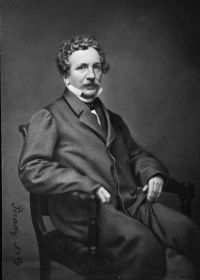
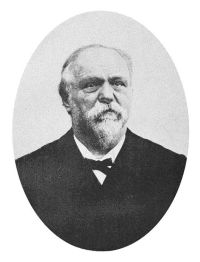
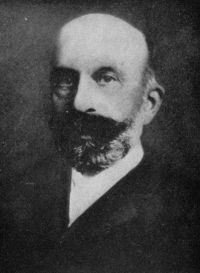
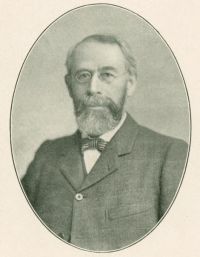
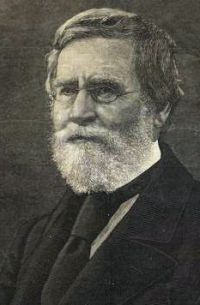
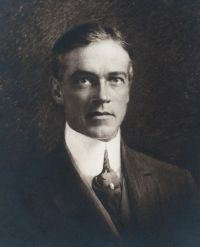
Conducting, as a concept, includes both the art of leading musical ensembles and the broader philosophical idea of directed action. In music, it involves shaping performances through tempo, expression, and coordination, as Karl Wilson Gehrkens emphasized, underscoring the conductor’s role in conveying emotional and technical precision.
Philosophically, figures like William James viewed conduct as a dynamic interaction between intention, execution, and reception, while Richard Falckenberg described it as the alignment of actions with purposeful goals. Authors such as Herbert Spencer and Nicolas Johannsen associated conduct with habit, discipline, and adaptation, emphasizing its role in moral and social growth. These diverse perspectives reveal conducting as both a technical skill and a reflection of human striving toward harmony and meaning.