Irish brogue

Definition and stakes

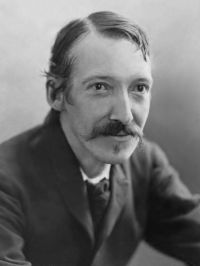
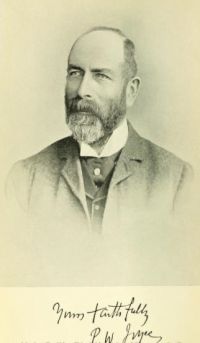
William Henry Frost,  Fairies and Folk of Ireland

“ Nearly all the people in this story, mortals and fairies, too, had the way of speaking that most Irish people have, which we call a brogue. Mrs. O'Brien had only a little of it—just the bit of a soft brogue that comes from Dublin, where she had lived for a long time. The most of the others had a good deal more. But as I go on with the story from here, I see no use in trying to write the brogue. It is hard to spell and confusing to read. If you do not know what a good Irish brogue is, you would never learn from any attempt of mine to spell it out for you ”
Source: Gutenberg

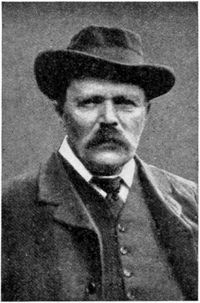
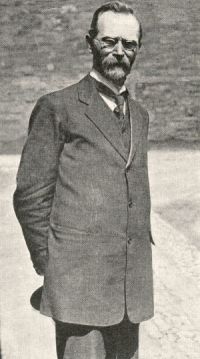
Alexander Irvine,  From the Bottom Up: The Life Story of Alexander Irvine

“ My thick Irish brogue militated against my usefulness in the church, and in expressing myself with warmth, I usually made it worse. In the barrack-room, my brogue brought me several Irish nicknames which irritated me. They were names usually attached to the Roman Catholic Irish, and having been brought up in an Ulster community, where part of a boy's education is to hate Roman Catholics, I naturally resented these names. A Protestant Irishman will tolerate "Pat," but "Mick" will put him in a fighting attitude in a moment. ”
Source: Gutenberg

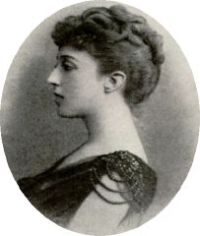
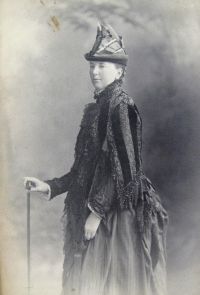
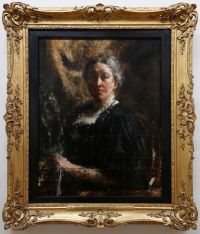
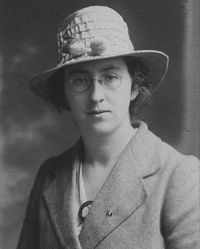
Portrait of Maria Edgeworth Maria Edgeworth,  Tales and Novels — Volume 04

“ The Irish brogue is a great and shameful defect, but it does not render the English language absolutely unintelligible. There are but a few variations of the brogue, such as the long and the short, the Thady brogue and Paddy brogue, which differ much in tone, and but little in phraseology; but in England, almost all of our fifty-two counties have peculiar vulgarisms, dialects, and brogues, unintelligible to their neighbours. ”
Source: Gutenberg

Get perspective with Kwize: daily news enlightened by great literature