Jacksonian democracy

Definition and stakes

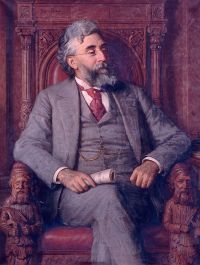
Portrait of Theodore Roosevelt Theodore Roosevelt,  Thomas Hart Benton

“ The Jacksonian Democracy stood for the revolt against these rulers; its leaders, as well as their followers, all came from the mass of the people. The majority of the voters supported Jackson because they felt he was one of themselves, and because they understood that his election would mean the complete overthrow of the classes in power and their retirement from the control of the government. ”
Source: Gutenberg

Various,  Popular Science Monthly (1912)

“ The most vicious legacy which Jacksonian Democracy bequeathed to American politics, profoundly influencing the political ideas and methods of our people during the first half of the last century, was the belief that the selection of administrative officials by appointment and for a permanent tenure meant the growth of a class of office-holding bureaucrats, and that the democratic doctrine of equal opportunity demanded that all should have a turn or a chance of public office. ”
Source: Wikisource

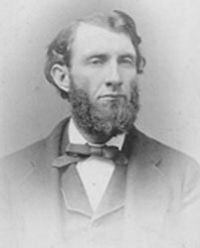
Portrait of Charles Kendall Adams Charles Kendall Adams,  A History of the United States

“ The new conditions of trade were, moreover, somewhat obliterating state lines in the North and East by inducing travel and correspondence on the part of business men. Thus the local democracy represented by Jefferson was being more and more confined to the South, but it kept up an alliance with the national and more radical democracy represented by Jackson down to the Civil War. Manhood suffrage, dependence of office holders upon the wishes of the electorate, and other principles of the Jacksonian democracy have become the political heritage of Americans, regardless of party. ”
Source: Gutenberg

Get perspective with Kwize: daily news enlightened by great literature