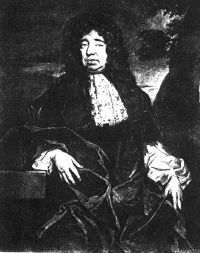
Jean-Pierre Pétion

Definition and stakes

Portrait of Alphonse de Lamartine Alphonse de Lamartine,  History of the Girondists, Volume I

“ Before it falls quite to the people, power pauses for a moment in the council-chamber of the magistrates of the city. The Hôtel de Ville had become the Tuileries of the people; after La Fayette and Bailly, Pétion reigned there: this man was the king of Paris. The populace (which has always the instinct of position) called him King Pétion. He had purchased his popularity, first by his private virtues, which the people almost always confound with public virtues, and subsequently by his democratic speeches in the Constituent Assembly. ”

Source: Gutenberg

Thomas Carlyle,  The French Revolution: A History

“ The Mayor of Paris and other poor Mayors are like to have their difficulties. Pétion was re-elected Mayor of Paris; but has declined; being now a Convention Legislator. Wise surely to decline: for, besides this of Grains and all the rest, there is in these times an Improvised insurrectionary Commune passing into an Elected legal one; getting their accounts settled,—not without irritancy! Pétion has declined: nevertheless many do covet and canvass. After months of scrutinising, balloting, arguing and jargoning, one Doctor Chambon gets the post of honour: who will not long keep it ”
Source: Gutenberg

Imbert de Saint-Amand,  Marie Antoinette and the Downfall of Royalty

“ The Most Christian King is treated like the Divine Master. Pétion, mayor of Paris, is to play the rôle of Pontius Pilate. He washes his hands of all that is to happen. He orders the battalions of National Guards under arms for the following day, not in order to oppose the march of the columns of the people, but to fraternize with the petitioners, and act as escort to the insurrection. ”
Source: Gutenberg

Get perspective with Kwize: daily news enlightened by great literature