Jeroboam II

Definition and stakes

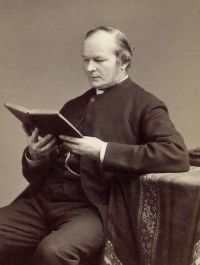
Portrait of F. W. Farrar F. W. Farrar,  The Expositor's Bible: The Second Book of Kings

“ God pitied the deplorable overthrow of His chosen people: He saw that there was neither slave nor freeman—"neither any shut up, nor any left at large, nor any helper for Israel"; and in Jeroboam He gave them the saviour who had been granted to the penitence of Jehoahaz. [306] It was, so to speak, a last pledge to them of the love and mercy of Jehovah, which gave them a respite, and would fain have saved them altogether, if they had turned with their whole heart to Him. And, personally, Jeroboam II. seems to have been one of the better kings. Not a single crime is laid to his charge ”
Source: Gutenberg

Portrait of F. W. Farrar F. W. Farrar,  The Expositor's Bible: The Second Book of Kings

“ Jeroboam II. was succeeded by no less than six other kings, but he was the last who died a natural death. Every one of his successors fell a victim to the assassin or the conqueror. His son Zachariah ("Remembered by Jehovah") succeeded him (b.c. 740) , the fourth in descent from Jehu. Considering the long reign of his father, he must have ascended the throne at a mature age. But he was the child of evil times. That he should not interrupt the "calf"-worship was a matter of course; but if he be the king of whom we catch a glimpse in Hos. vii. ”
Source: Gutenberg

Newton Marshall Hall,  The Bible Story

“ Jeroboam II. was an evil king, but as a soldier he was one of the greatest in the history of Israel. He extended the territory of the people in every direction. The country was prosperous in a commercial sense as it never had been before. The rich people lived in the most luxurious houses and spent their time in idleness and dissipation. But there was another side to the picture. The poor were terribly oppressed, and there was no such thing as justice. The people worshiped idols and indulged in all kinds of evil practices. ”
Source: Gutenberg

Get perspective with Kwize: daily news enlightened by great literature