Jesuitism

Definition and stakes

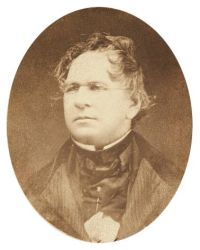
Portrait of Karl Rosenkranz Karl Rosenkranz,  Pedagogics as a System

“ Jesuitism combined the maximum of worldly freedom with an appearance of the greatest piety. Proceeding from this stand-point, it devoted itself in education to elegance and showy knowledge, to diplomacy and what was suitable and convenient in morals. To bring the future more into its power, it adapted itself not only to youth in general, but especially to the youth of the nobler classes. ”
Source: Gutenberg

John Lord,  A Modern History, From the Time of Luther to the Fall of Napoleon

“ The unconditional obedience to a single will, which is the genius of Jesuitism, while it signally advanced the interests of the body, and of the pope, to whom they were devoted, still led to the most detestable and resistless spiritual despotism ever exercised by man. The Jesuit, especially when obscure and humble, was a tool, rather than an intriguer. ”
Source: Gutenberg

William Hogan,  Auricular Confession and Popish Nunneries

“ The reader will bear with me in quoting a few more passages, which the Boston Recorder selects from the writings of Guinet, on the subject of Jesuitism. "The nations which are sickest in Europe, those which have least credit and authority, are those in which the society of Jesuits has its hearth. The mission of Jesuitism, in the sixteenth century, was to destroy the Reformation; the mission of Jesuitism, in the nineteenth century, is to destroy the Revolution, which supposes, includes, and envelopes, the Reformation. ”
Source: Gutenberg

Get perspective with Kwize: daily news enlightened by great literature