Summary

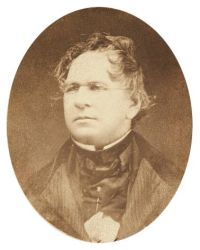
Portrait of Henry Rowe Schoolcraft Henry Rowe Schoolcraft The Indian in his Wigwam; Or, Characteristics of the Red Race of America

I waited while the sun ran his daily course, for his return from the chase, and I rejoiced in my heart when I heard his manly footsteps approach the lodge. He threw down his burden at the door—it was a haunch of the deer;—I flew to prepare the meat for his use.
My heart was bound up in him, and he was all the world to me. But he has left me for another, and life is now a burden which I cannot bear. Even my children add to my griefs—they look so much like him. How can I support life, when all its moments are bitter! I have lifted up my voice to the Master of life.
Source: Gutenberg

Portrait of Henry Rowe Schoolcraft Henry Rowe Schoolcraft The Indian in his Wigwam; Or, Characteristics of the Red Race of America

We knew many of their present stalwart braves in those days of early life when the Indian and white alike forget disguise, but in the unchecked exuberance of youthful feeling show the real character that policy and habit may afterwards so much conceal; and we know that, under the stolid stoic look he assumes, there is burning in the Indian's nature a heart of fire and feeling, and an all-observing keenness of apprehension, that marks and remembers everything that occurs, and every insult he receives.
Source: Gutenberg

Portrait of Henry Rowe Schoolcraft Henry Rowe Schoolcraft The Indian in his Wigwam; Or, Characteristics of the Red Race of America

They felt that the very air was food. It strengthened and nourished them. They wandered together over the blissful fields, where every thing was formed to please the eye and the ear. There were no tempests—there was no ice, no chilly winds—no one shivered for the want of warm clothes: no one suffered for hunger—no one mourned for the dead. They saw no graves. They heard of no wars. There was no hunting of animals; for the air itself was their food. Gladly would the young warrior have remained there forever, but he was obliged to go back for his body.
Source: Gutenberg

Get perspective with Kwize: daily news enlightened by great literature