John Lyly

Definition and stakes

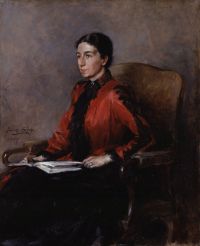
Portrait of John Lyly John Lyly Endymion, The Man in the Moon (1591)

CYNTHIA: How say you, my lords, is not Tellus always practicing of some deceits? -- In sooth, Corsites, thy face is now too foul for a lover and thine heart too fond for a soldier. You may see, when warriors become wantons, how their manners alter with their faces. Is it not a shame, Corsites, that, having lived so long in Mars his camp, thou shouldst now be rocked in Venus' cradle? Dost thou wear Cupid's quiver at thy girdle, and make lances of looks? Well Corsites, rouse thyself and be as thou hast been, and let Tellus, who is made all of love, melt herself in her own looseness.
Source: Wikisource

Representative English Comedies…

Very slowly, then, Lyly was working toward a drama of simple characterizing dialogue, more unified, and at the same time more complex. Even as he worked, however, Kyd, Greene, and Marlowe swept by to accomplishment impossible for him under any conditions.
His Place in English Comedy.—John Lyly is not merely, then, as has been too often suggested, a scholar "picking fancies out of books (with) little else to marvel at." He was keenly alive to foreign and domestic influences at work about him. His use of what other men offer foreshadows the marvellous assimilative power of 274 Shakespeare.
Source: Gutenberg

John Dover Wilson John Lyly

Persons of both sexes, outwardly at peace but inwardly armed to the teeth, meet together in some lady's house to discuss the subject so dangerous to both, and conversation conditioned by this fact inevitably becomes subtle, allusive, intense; for it derives its light and shade from the flicker of that fire which the company finds such a perilous fascination in playing with. Lyly's work does not exhibit quite such modernity as this, but we may truthfully say that his Euphues and his England is the psychological novel in germ.
Source: Gutenberg

Get perspective with Kwize: daily news enlightened by great literature