Judiciary Act

Definition and stakes

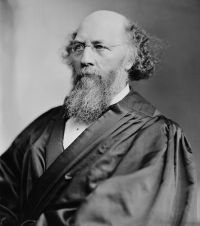
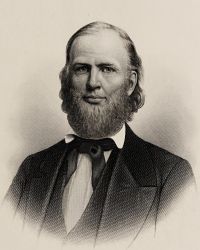
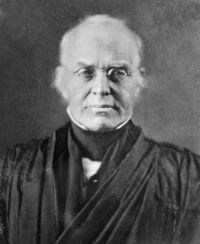
Portrait of Samuel Freeman Miller Samuel Freeman Miller,  United States v. Holliday — Opinion of the Court

“ The Judiciary Act of 1789, of which these provisions constitute a part, is the one which, for the first time under our Federal Constitution, created the courts which were to exercise the judicial function of the government. The powers conferred by that act on the several courts which it created, and the lines by which it divided the powers of those courts from each other, and limited the powers of all of them under the Constitution, were intended to provide a general system for the administration of such powers as the Constitution authorized the Federal courts to exercise. ”
Source: Wikisource

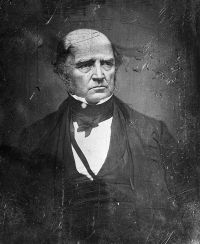
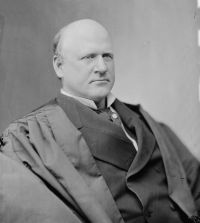
Portrait of Joseph Story Joseph Story,  Commentaries on the Constitution of the United States (1833)

“ Yes, sir, our judges opposed the acts of the legislature. We have this land-mark to guide us. They had fortitude to declare, that they were the judiciary, and would oppose unconstitutional acts. Are you sure, that your federal judiciary will act thus? Is that judiciary so well constituted, and so independent of the other branches, as our slate judiciary? Where are your landmarks in this government? I will be bold to say, you cannot find any. I take it, as the highest encomium on this country, that the acts of the legislature, if unconstitutional, are liable to be opposed by the judiciary. ”
Source: Wikisource

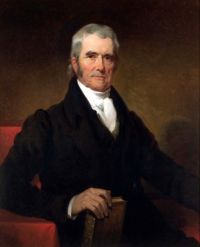
by John Marshall,  Wayman v. Southard — Opinion of the Court

“ The counsel for the defendants contend, that this clause, if extended beyond the mere regulation of practice in the Court, would be a delegation of legislative authority which Congress can never be supposed to intend, and has not the power to make.
But Congress has expressly enabled the Courts to regulate their practice, by other laws. The 17th section of the Judiciary Act of 1789, c. 20.
”
Source: Wikisource

Get perspective with Kwize: daily news enlightened by great literature