Kazak

Definition and stakes

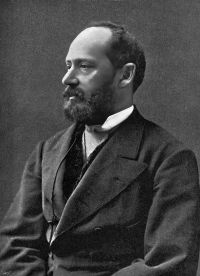
A. H. Keane,  Man, Past and Present

“ It thus at an early date reached the South Russian steppe, where it was adopted in the form of Kossack by the Russians themselves. It should be noted that the compound term Kirghiz-Kazak, introduced by the Russians to distinguish these nomads from their own Cossacks, is really a misnomer. The word "Kirghiz," whatever its origin, is never used by the Kazaks in reference to themselves, but only to their near relations, the Kirghiz, or Kara-Kirghiz [708] , of the uplands. ”
Source: Gutenberg

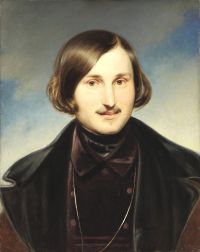
Portrait of Nikolai Gogol Nikolai Gogol,  Taras Bulba (1916)

“ The term "kazák" is ancient,—and the most rational of the explanations of it is, that of old, among the Turks, it was applied to a mounted warrior, lightly armed,—and somehow inferior as a soldier. In the Polovetzk Dictionary of the year 1303 the word is written "kozak." ”
Source: Wikisource

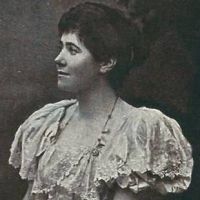
Portrait of Ella Sykes Ella Sykes,  Through deserts and oases of central Asia (1920)

“ They inhabit the cold highlands, moving about in summer and winter alike as their flocks exhaust the grazing, which is rich in summer and scanty at other seasons. The Kirghiz, who are the leading nomads, estimated to number 50,000, implicitly believe that their ancestor was a Kazak Prince, Saghyon Khan by name. ”
Source: Gutenberg

Get perspective with Kwize: daily news enlightened by great literature