Khosrow II

Definition and stakes

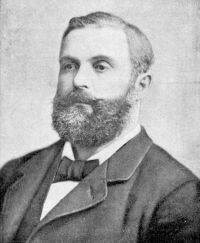
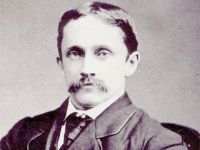
Portrait of C. R. Conder C. R. Conder,  The city of Jerusalem (1909)

“ Khosrau I. had conceived the ambitious idea of conquering Western Asia; but he was held in check by Justinian, who was allied to the Turks on his north and to the Sabean kings on the south. The grandson (Khosrau II.) took advantage of the weakness of Phocas, and attacked Aleppo and Antioch in 610 A. D., while Heraclius, son of the exarch, was besieging the upstart centurion in Byzantium. For ten years Khosrau II. held Chalcedon, and the Persian forces faced the new Greek emperor at Constantinople. The victorious Sassanian entered Alexandria, and in 614 A. D. the Persians besieged Jerusalem. ”
Source: Gutenberg

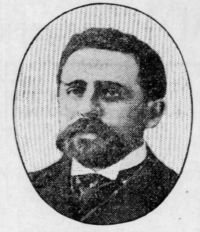
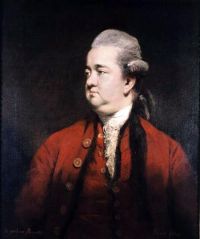
Portrait of Edward Gibbon Edward Gibbon,  The History of the Decline and Fall of the Roman Empire (1897)

“ The virtue of Chosroes was that of a conqueror, who, in the measures of peace and war, is excited by ambition and restrained by prudence; who confounds the greatness with the happiness of a nation, and calmly devotes the lives of thousands to the fame, or even the amusement, of a single man. In his domestic administration, the just Nushirvan would merit, in our feelings, the appellation of a tyrant. ”
Source: Wikisource

Portrait of Edward Gibbon Edward Gibbon,  The History of the Decline and Fall of the Roman Empire

“ Chosroes, king of Armenia, had alone preserved both his life and his independence. He defended himself by the natural strength of his country; by the perpetual resort of fugitives and malecontents; by the alliance of the Romans, and above all, by his own courage.
Invincible in arms, during a thirty years’ war, he was at length assassinated by the emissaries of Sapor, king of Persia. The patriotic satraps of Armenia, who asserted the freedom and dignity of the crown, implored the protection of Rome in favor of Tiridates, the lawful heir.
”
Source: Gutenberg

Get perspective with Kwize: daily news enlightened by great literature