Latinization

Definition and stakes

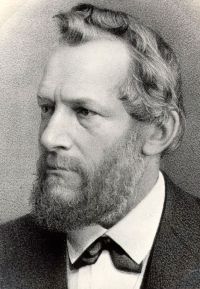
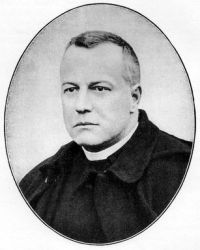
Portrait of Adrian Henry Timothy Knottesford Fortescue Adrian Henry Timothy Knottesford Fortescue,  The Uniate Eastern Churches (1923)

“ It is rather like the zeal for doing everything exactly as is done at Rome among Latins of different countries. I should rather be inclined to say that local variety in a rite also has its interest, that it is most natural that during the long centuries of Roman neighbourhood the Italo-Greeks have gradually acquired some latinization, that liturgically this is harmless and historically it is interesting, that it is, on the whole, rather a pity to destroy so old a tradition. ”
Source: Wikisource

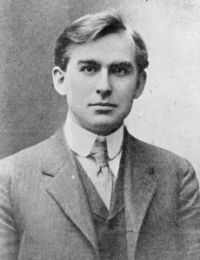
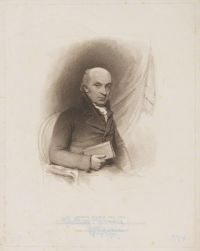
Frances E. Lord,  The Roman Pronunciation of Latin…

“ If to know the main features of the classic pronunciation of Latin were impossible, then our obvious course would be to refuse the attempt; to regard the language as in reality dead, and to make no pretence of reading it. This is in fact what the English scholars generally do. But if we may know substantially the sounds of the tongue in which Cicero spoke and Horace sung, shall we give up the delights of the melody and the rhythm and content ourselves with the thought form? Poetry especially does not exist apart from sound ”
Source: Gutenberg

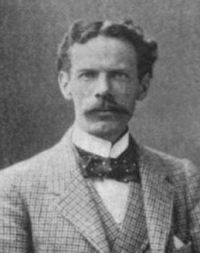
Benjamin Leonard D'Ooge,  Latin for beginners (1911)

“ Latin was the common language of scholars and remained so even down to the days of Shakespeare. Even yet it is more nearly than any other tongue the universal language of the learned. The life of to-day is much nearer the life of ancient Rome than the lapse of centuries would lead one to suppose. You and I are Romans still in many ways, and if Cæsar and Cicero should appear among us, we should not find them, except for dress and language, much unlike men of to-day. ”
Source: Wikisource

Get perspective with Kwize: daily news enlightened by great literature