Lorenzo de' Medici

Definition and stakes

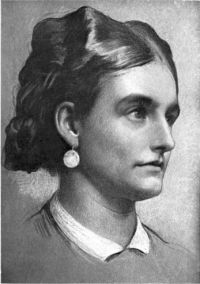
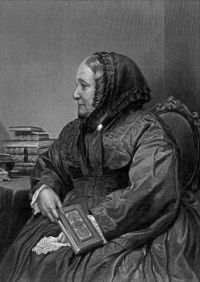
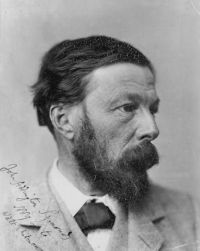
Portrait of Mrs. Jameson Mrs. Jameson,  The Romance of Biography (Vol 1 of 2…

“ Between Petrarch and Lorenzo de' Medici, there occurs not a single great name in Italian poetry. The century seemed to lie fallow, as if preparing for the great birth of various genius which distinguished the succeeding age. The sciences and the classics were chiefly studied, and philosophy and Greek seemed to have banished love and poetry.
In such a state of things, it is rather surprising to find in Lorenzo de' Medici the common case reversed; for by his own confession, it appears that it was not love which made him a poet, but poetry which made him a lover.
”
Source: Gutenberg

The historians' history of the world in twenty-five volumes… (1905)

“ Nevertheless if Florence was free from the excesses that disgraced every other Italian state, if Lorenzo’s rule was mild and blameless compared to that of Cosmo, not only the continuance of peace, the assured position of the country, and the habit on the part of the people of submitting to such a rule were to be thanked for it, but the views and ability of the man who stood at the head. Lorenzo de’ Medici was determined to be obeyed, but he was no tyrant: on the one hand too keen-sighted a reader of men, and too well-versed in the traditions of his people ”
Source: Gutenberg

Various,  Encyclopaedia Britannica, 11th Edition…

“ Lorenzo de’ Medici lived entirely in the classical world; and yet if we read his poems we only see the man of his time, the admirer of Dante and of the old Tuscan poets, who takes inspiration from the popular muse, and who succeeds in giving to his poetry the colours of the most pronounced realism as well as of the loftiest idealism, who passes from the Platonic sonnet to the impassioned triplets of the Amori di Venere, from the grandiosity of the Salve to Nencia and to Beoni, from the Canto carnascialesco to the Lauda. ”
Source: Gutenberg

Get perspective with Kwize: daily news enlightened by great literature