Poliziano

Definition and stakes

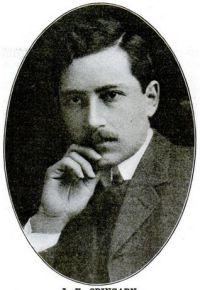
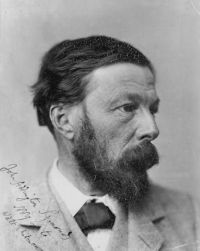
Portrait of John Addington Symonds John Addington Symonds Renaissance in Italy, Volume 4…

Poliziano incarnated the spirit of his age, and gave the public what satisfied their sense of fitness. The three chief enthusiasms of the fifteenth century—for classical literature, for artistic beauty, and for nature tranquilly enjoyed—were so fused and harmonized within the poet's soul as to produce a style of unmistakable originality and charming ease. Poliziano felt the delights of the country with serene idyllic rapture, not at second hand through the ancients, but with the voluptuous enjoyment of the Florentine who loved his villa.
Source: Gutenberg

Portrait of John Addington Symonds John Addington Symonds 1911 Encyclopædia Britannica (1911)

Poliziano was great as a scholar, as a professor, as a critic, and as a Latin poet at an age when the classics were still studied with the passion of assimilative curiosity, and not with the scientific industry of a later period. He was the representative hero of that age of scholarship in which students drew their ideal of life from antiquity and fondly dreamed that they might so restore the past as to compete with the classics in production and bequeath a golden age of resuscitated paganism to the modern world. Yet he was even greater as an Italian poet.
Source: Wikisource

Portrait of John Addington Symonds John Addington Symonds Renaissance in Italy, Volume 2…

What has been said about his verse, applies with no less-253- force to his prose composition. Poliziano wrote Latin, as though it were a living language, not culling phrases from Cicero or reproducing the periods of Livy, but trusting to his instinct and his ear, with the facility of conscious power. The humanism of the first and second periods attained to the freedom of fine art in Poliziano. Through him, as through a lens, the rays of previous culture were transmitted in a column of pure light.
Source: Gutenberg

Get perspective with Kwize: daily news enlightened by great literature