Quattrocento

Definition and stakes

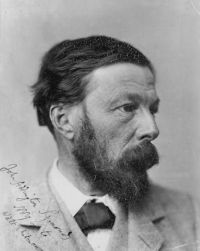
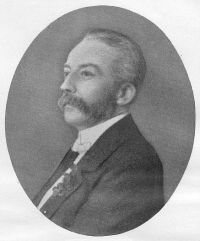
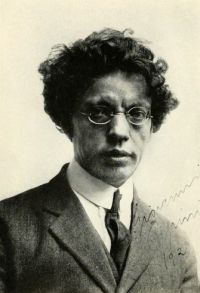
Portrait of Giovanni Papini Giovanni Papini,  Four and Twenty Minds (1922)

“ The Quattrocento marks the transition from the active, original, rough, strong civilization of the Middle Ages to the verbal, imitative, insincere, pacific civilization of the succeeding centuries. In the Quattrocento the man of action yields to the man of words; the book takes the place of the sword; the fortress becomes a villa garden; skeptical dilettanteism casts out faith. Great words win honor such as hitherto had been accorded to great deeds alone. Achievement ended, men tell of past achievement. ”
Source: Wikisource

Ella Noyes,  The Story of Milan

“ Italy, that fair queen whose robes the too-aspiring Prince had desired to brush free from every stain, was a captive with him, befouled and bloodied by the ignorant barbarian, and all the joy and exaltation of her wonderful Quattrocento was to fail, and her new-found strength and hope, with its sky-aspiring projects but half realised, to be bound down in the sad fetters of disillusion, despair, and a new spiritual tyranny, while the grand ideal of the Renaissance was to travel away with her freedom and find its perfect fulfilment elsewhere. ”
Source: Gutenberg

Edmund G. Gardner,  The Story of Florence

“ Morelli calls this Quattrocento the epoch of "character"; "that is, the period when it was the principal aim of art to seize and represent the outward appearances of persons and things, determined by inward and moral conditions." The intimate connection of arts and crafts is characteristic of the Quattrocento, as also the mutual interaction of art with art. Sculpture was in advance of painting in the opening stage of the century, and, indeed, influenced it profoundly throughout ”
Source: Gutenberg

Get perspective with Kwize: daily news enlightened by great literature