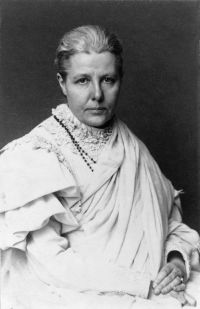
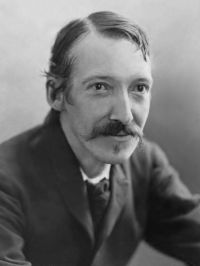
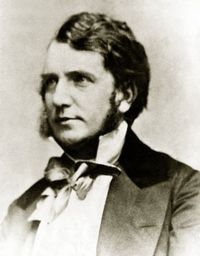
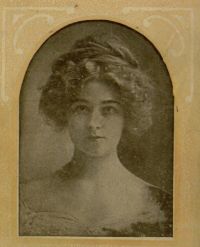
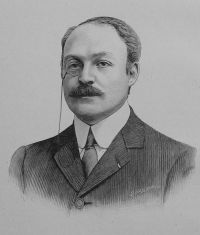
Glamour, a concept blending allure, illusion, and the sublime, has long fascinated literary imagination. From Harriet Beecher Stowe’s observation of fashion’s transformative effect on youth to Hilaire Belloc’s search for historical “origins” imbued with ethereal resonance, authors have examined its dual character as both enchantment and fleeting facade.
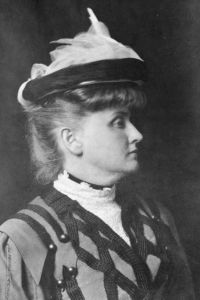
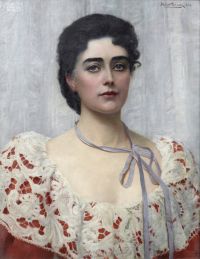
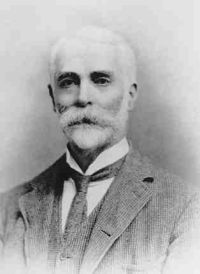
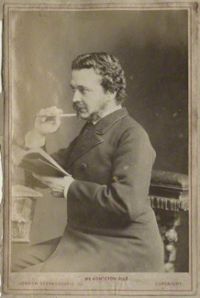
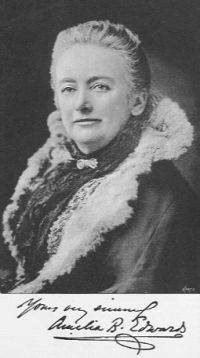
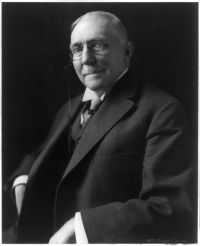
Elinor Glyn portrays it as an intoxicating force in love, while Gertrude Franklin Horn Atherton connects it to the seductive mystique of high society. Arthur Quiller-Couch, meanwhile, presents glamour as an undeniable, tangible reality shaping human perception. These diverse viewpoints reveal glamour as a bridge between aspiration and truth, where the illusory and the genuine converge.
 Harriet Beecher Stowe,
Household Papers and Stories
Harriet Beecher Stowe,
Household Papers and Stories