Louis VIII of France

Definition and stakes

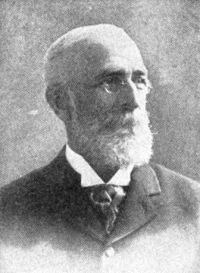
Portrait of François Guizot François Guizot A Popular History of France from the Earliest Times…

But in the condition in which France was during the thirteenth century, amidst a civilization still so imperfect and without the fortifying institutions of a free government, no accidental good fortune could make up for a king’s want of personal merit; and Louis VIII. was a man of downright mediocrity, without foresight, volatile in his resolves and weak and fickle in the execution of them. He, as well as Philip Augustus, had to make war on the King of England, and negotiate with the pope on the subject of the Albigensians
Source: Gutenberg

The historians' history of the world in twenty-five volumes… (1905)

Charles VIII died at Amboise, on the 7th of April, 1498, the day destined at Florence for the trial by fire of the doctrine of Savonarola. Louis XII, who succeeded that monarch, claimed, as grandson of Valentina Visconti, to be the legitimate heir to the duchy of Milan, although, according to the law acknowledged by all Italy, and confirmed by the imperial investure granted to the father of Valentina, females were excluded from all share in the succession. This monarch, at his coronation, took with the title of king of France those of duke of Milan and king of Naples and Jerusalem.
Source: Gutenberg

Jules Isaac 1911 Encyclopædia Britannica, Volume 17… (1911)

In the Italian expedition of 1494 he commanded the vanguard of the royal army, occupied Genoa, and remained in the north of Italy, menacing Milan, on which he was already dreaming of asserting his rights. The children of Charles VIII. having died in infancy, he became heir-presumptive to the throne, and succeeded Charles in 1499. Louis was then thirty-six years old, but he seems to have grown old prematurely.
Source: Wikisource

Get perspective with Kwize: daily news enlightened by great literature