Lower Egypt

Definition and stakes

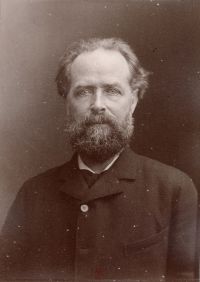
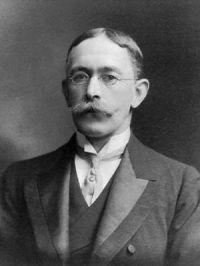
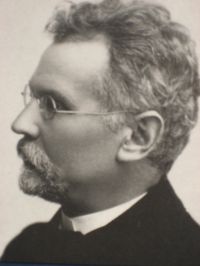
Portrait of Robert Hichens Robert Hichens,  The Spell of Egypt

“ I listen to the childish, quavering voice, twittering almost like a bird, and one word alone came up to me—the word one hears in Egypt from all the lips that speak and sing: from the Nubians round their fires at night, from the little boatmen of the lower reaches of the Nile, from the Bedouins of the desert, and the donkey boys of the villages, from the sheikh who reads one’s future in water spilt on a plate, and the Bisharin with buttered curls who runs to sell one beads from his tent among the sand-dunes. ”
Source: Gutenberg

R. Talbot Kelly,  Peeps at Many Lands: Egypt

“ The real land of Egypt is the narrow strip of alluvial soil which forms the Nile banks, and the fertile delta which spreads fan-like from Cairo to the sea. These two divisions of the land practically constitute Upper and Lower Egypt. In area each is less than Wales, while the total population of the country is not twice that of London.
It is its extreme fertility which has made Egypt prosperous, and throughout the world's history it has been a granary for the nations, for while drought and famine might affect other lands, Egypt has always been able to supply food to its neighbours.
”
Source: Gutenberg

William George Browne,  Travels in Africa, Egypt, and Syria from the year 1792 to 1798 (1799)

“ This is also the case in Lower Egypt, except at the extremities of the Delta, where the Nile is never more than a few feet below the surface of the ground, and where inundation of course takes place. But the country, as may be expected, is without habitations. The fertility of Egypt arises from human art. The lands near the river are watered by machines; and if they extend to any width, canals have been cut. The soil in general is so rich as to require no manure. ”
Source: Gutenberg

Get perspective with Kwize: daily news enlightened by great literature