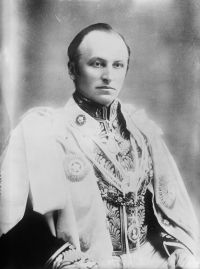
Marquess of Salisbury

Definition and stakes

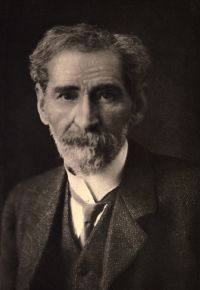
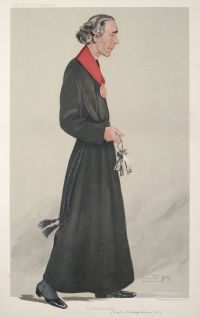
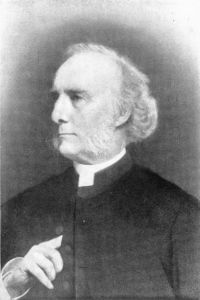
Portrait of Leslie Stephen Leslie Stephen Dictionary of National Biography… (1894)

He attended Henry and his queen, Catherine of France, on their entry into Paris with King Charles and Duke Philip of Burgundy on 1 Dec. (Wavrin, v. ii. 325) . In January 1421 he was at the parliament held by Henry at Rouen, and there did homage for the earldom of Perche. When the king returned to England shortly afterwards, Salisbury remained in France to support the Duke of Clarence (Chastellain, p. 204) .
Source: Wikisource

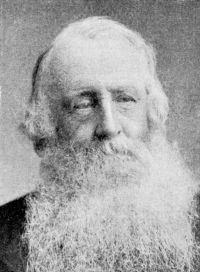
William Hunt Dictionary of National Biography… (1893)

Salisbury was a wise and valiant man, not, indeed, to be ranked with patriotic statesmen, such as William the earl-marshal and Hubert de Burgh, but far superior to most of the nobles of his day, and sincerely attached to the interests of the royal house from which he came, faithful as long as it was possible to his brother John, and a good servant to his young nephew Henry.
Source: Wikisource

S. C. Hall The Stately Homes of England

In his last moments he said, “Ease and pleasure quake to hear of death; but my life, full of cares and miseries, desireth to be dissolved.” It was this nobleman who exchanged his mansion of Theobalds, with the king, for Hatfield. On his death, his title and estates descended to his only son, William Cecil, who became second Earl of Salisbury; and, dying in 1688, was succeeded by James Cecil, as third Earl of Salisbury. The fourth Earl of Salisbury, also named James, died in 1694, and his great grandson, James Cecil, the seventh Earl, was created Marquis of Salisbury by George III., in 1789.
Source: Gutenberg

Get perspective with Kwize: daily news enlightened by great literature