Melilla, a Spanish administrative territory, elects one representative through a plurality voting system, serving as the voice of the autonomous city in the Congress of Deputies. Its electoral past, characterized by disputes such as the 1989 invalidated election, underscores its strategic importance.
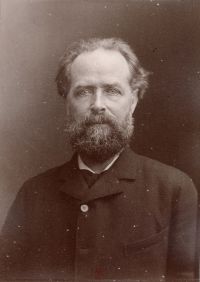
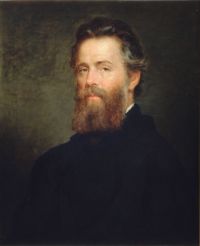
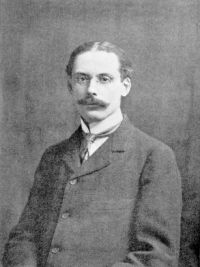
Scholars such as Ferdinand Ossendowski and Élisée Reclus have examined its geographical and historical dimensions, portraying it as a contested meeting point of cultures. Karl Baedeker emphasized its deep historical origins, while Herman Melville’s mentions of “Oro” subtly reflected its symbolic presence in literary thought. These diverse viewpoints highlight Melilla’s dual function as both a political entity and a significant site in cultural narratives.
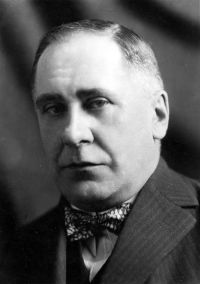 Ferdinand Ossendowski,
The Fire of Desert Folk
(1926)
Ferdinand Ossendowski,
The Fire of Desert Folk
(1926)