Woodlark

Definition and stakes

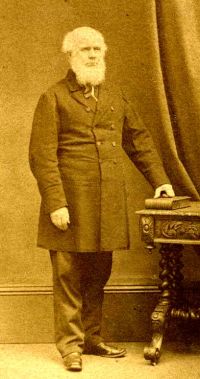
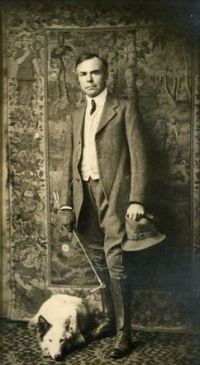
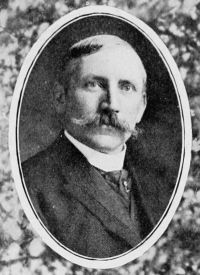
Portrait of William Henry Hudson William Henry Hudson,  British birds (1921)

“ In appearance the woodlark is a lesser skylark, with a shorter tail in proportion to the body, and no apparent difference in colour, except that the spots on the breast and the pale streak over the eye are more conspicuous. It ranks with the six or eight finest British [177] songsters, but is the least known of all. The tree-pipit, sometimes called woodlark, is a much better known songster. When the woodlark is seen and heard he is taken by most people for the skylark. ”
Source: Gutenberg

C. G. Schillings,  In Wildest Africa, Vol. 1

“ A little unseen lark, all by itself, can evoke for me the charm of the solitudes of Nyíka as with a magic wand.
How this comes to pass, I will tell the reader. We must make a long tour. Now we are in the north, in our native country, in the midst of the spring, amongst spreading fields of our German homeland. The song of the lark fills the air, and our heart expands to its music. We go out upon the open moor. We hear a trilling and quavering of another kind, with a strangely sweet touch of sadness in it, especially at night—the song of the woodlark.
”
Source: Gutenberg

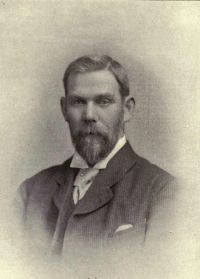
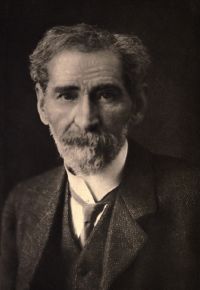
Portrait of Richard Kearton Richard Kearton,  Nature's carol singers (1906)

“ The Tree Pipit arrives upon our shores in April and leaves again in September and October.
[Pg 53]
THE WOODLARK. The Woodlark is not nearly so common or widely distributed as the Skylark, and is frequently thought to be heard and seen when the bird under observation is really only a Tree Pipit.
It is smaller than the Skylark, and has a much shorter tail and more conspicuous crest. Although of somewhat similar coloration, it has a distinct light yellowish streak running over each eye and meeting at the back of the head; the breast spots are more distinct
”
Source: Gutenberg

Get perspective with Kwize: daily news enlightened by great literature