Midsummer Eve

Definition and stakes

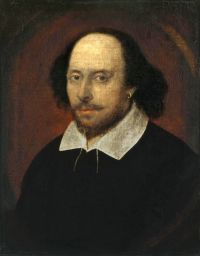
Portrait of George William Russell George William Russell,  Imaginations and Reveries

“ In the drawing called "Midsummer Eve" there is a mystery which is not merely the mystery of night and shadow. It is the mystery of the mingling of spirit with spirit which is suggested by the solitary figure with face upturned to the stars. We have all memories of such summer nights when into the charmed heart falls the enchantment we call ancient, though the days have no fellows, nor will ever have any, when the earth glows with the dusky hues of rich pottery, and the stars, far withdrawn into faery altitudes, dance with a gaiety which is more tremendous and solemn than any repose. ”
Source: Gutenberg

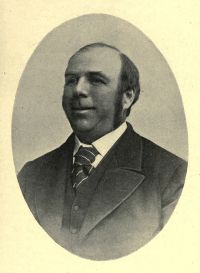
Portrait of Nathaniel Hawthorne Nathaniel Hawthorne,  Twice-Told Tales

“ They who reared it, should their banner be triumphant, were to pour sunshine over New England’s rugged hills and scatter flower-seeds throughout the soil. Jollity and gloom were contending for an empire. Midsummer eve had come, bringing deep verdure to the forest, and roses in her lap of a more vivid hue than the tender buds of spring. But May, or her mirthful spirit, dwelt all the year round at Merry Mount, sporting with the summer months and revelling with autumn and basking in the glow of winter’s fireside. ”
Source: Gutenberg

Portrait of James George Frazer James George Frazer,  The Golden Bough: A Study of Magic and Religion

“ FROM THE FOREGOING survey we may infer that among the heathen forefathers of the European peoples the most popular and widespread fire-festival of the year was the great celebration of Midsummer Eve or Midsummer Day. The coincidence of the festival with the summer solstice can hardly be accidental. Rather we must suppose that our pagan ancestors purposely timed the ceremony of fire on earth to coincide with the arrival of the sun at the highest point of his course in the sky. ”
Source: Gutenberg

Get perspective with Kwize: daily news enlightened by great literature