Nahuas

Definition and stakes

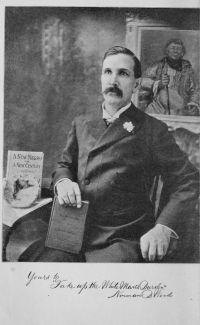
Portrait of John T. Short John T. Short,  The North Americans of Antiquity (1879)

“ In the course of independent development which the Nahuas underwent during thousands of years, the cosmological symbol of the egg may have been lost and supplanted by that of the serpent alone, the emblem of the life principle in both America and Asia. However, we may safely close these speculations with the conclusion that though the Mayas and Nahuas were probably descendants of foreign stock, their civilization, so far as we are able to judge from their arts, was indigenous—developed upon our soil, and offering but few analogies to any other. ”

Source: Gutenberg

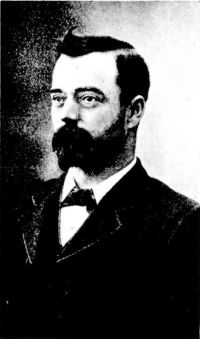
Portrait of Hubert Howe Bancroft Hubert Howe Bancroft,  The Native Races [of the Pacific states…

“ The Nahuas were a healthy race; naturally so with their fine climate, their hardy training, active habits, frequent bathing, and temperate diet. The extraordinary statements respecting the great age attained by their kings in the earlier periods of Nahua history are of course absurdly exaggerated; but as centenarians are often met with among their descendants at the present day, there is no doubt that they were a long-lived race, and that those who did not attain a hundred years, succumbed for the most part to acute diseases. ”
Source: Gutenberg

Portrait of John T. Short John T. Short,  The North Americans of Antiquity (1879)

“ We have in a preceding chapter summarized our reasons for considering the Mound-builders to have been Nahuas. The Olmecs, the first Nahuas to reach Mexico, came in ships from the direction of Florida, landed at Panuco, and journeyed southward until they came in contact with the advanced and already old civilization of the Mayas. The Toltecs came into Mexico by land from the North. The Chichimecs, their former neighbors in Hue hue Tlapalan, whether Nahuas or not originally, followed them and adopted their language. ”
Source: Gutenberg

Get perspective with Kwize: daily news enlightened by great literature