Nara period

Definition and stakes

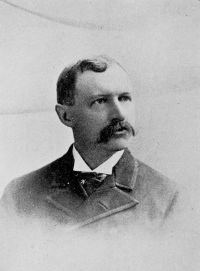
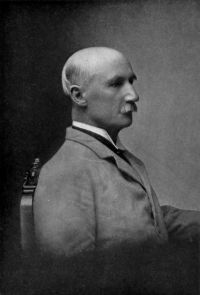
Portrait of F. Brinkley F. Brinkley,  A history of the Japanese people

“ Neither of these conditions existed in Japan at that remote period. The prime purpose of the legislators was achieved, since the people devoted themselves assiduously to land reclamation; but by free recourse to their power of commanding labour, the great families acquired estates largely in excess of the legal limit. A feature of the Nara epoch was the endowment of the Buddhist temples with land by men of all classes, and the sho-en, or temple domain, thus came into existence. ”
Source: Gutenberg

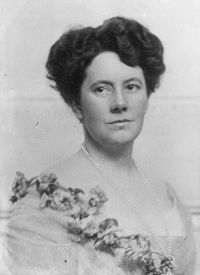
Portrait of Eliza Ruhamah Scidmore Eliza Ruhamah Scidmore,  Jinrikisha Days in Japan (1891)

“ In this calmer day, the Japanese of whatever faith look upon this ancient pagoda, the old bell, and the venerable buildings of the Buddhist establishments as the pride of Nara.
The town of Nara is a well-kept little provincial settlement, but with nothing especially characteristic or interesting in its clean streets. One goes to see the black gnomes at work, kneading their dough of rapeseed-oil, soot, and glue, pressing it into moulds, baking it, and supplying the country with its best writing ink. While the Japanese india-ink is not equal to the Chinese ink, some of it is very expensive.
”
Source: Wikisource

Get perspective with Kwize: daily news enlightened by great literature