Nashville, Tennessee

Definition and stakes

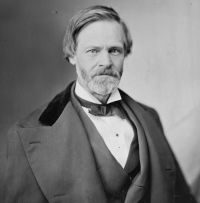
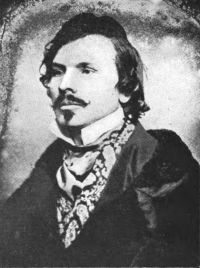
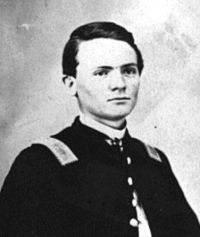
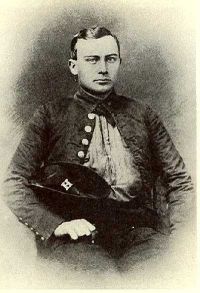
Portrait of Samuel R. Watkins Samuel R. Watkins,  "Co. Aytch," Maury Grays, First Tennessee Regiment

“ NASHVILLE A few more scenes, my dear friends, and we close these memoirs. We march toward the city of Nashville. We camp the first night at Brentwood. The next day we can see the fine old building of solid granite, looming up on Capitol Hill—the capitol of Tennessee. We can see the Stars and Stripes flying from the dome. Our pulse leaps with pride when we see the grand old architecture. ”
Source: Gutenberg

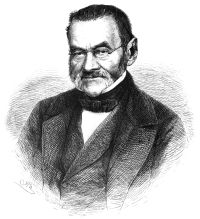
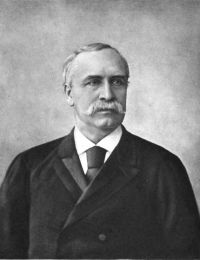
O. P. Cutter,  Our Battery; Or, The Journal of Company B, 1st O.V.A

“ Nashville, the capital of Tennessee, is situated on the Cumberland River, two hundred and fifty miles from its mouth. It is the terminus of the Louisville and Nashville Railroad, and is also the centering point of numerous other Southern roads. It is sometimes known as the City of Rocks; being built on a high rocky elevation. The population is about twenty-five thousand, and it is a place of considerable trade. Most of the cotton, and other products of Middle Tennessee, here find a market. ”
Source: Gutenberg

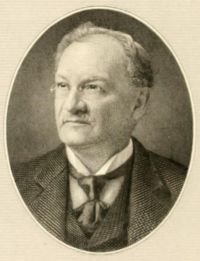
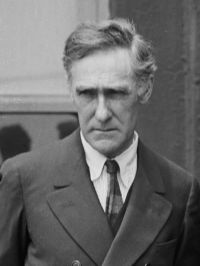
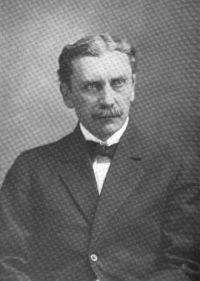
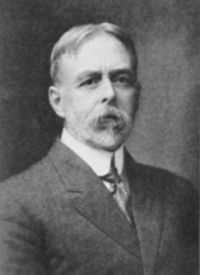
Portrait of Albert Perry Brigham Albert Perry Brigham,  From trail to railway through the Appalachians (1907)

“ We must not forget that off to the west James Robertson had founded a city that is even older than Knoxville. In the great bend of the Cumberland, on its south bank, in northern Tennessee, stands Nashville, as we have already seen.
If we visit a large city in one of the countries of Europe, we are quite likely to be told, or to read in our guidebook, that its history goes back hundreds of years, and any town that was started only a hundred172 years ago would there seem young. But we measure age differently in America, and a town like Nashville, founded in 1780, we think is old indeed.
”
Source: Gutenberg

Get perspective with Kwize: daily news enlightened by great literature