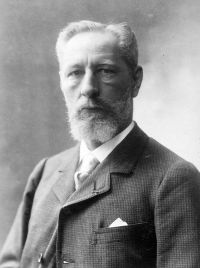
Nicholas I of Russia

Definition and stakes

Various The historians' history of the world in twenty-five volumes… (1905)

Nicholas is more skilful. I am struck with admiration for this man who is secretly struggling, with all the strength of his will, against the work of Peter the Great’s genius. He is restoring individuality to a nation which has strayed for more than a century in the paths of imitation.”
Without ceasing to borrow diligently from Europe her inventions and arts, her progress in industry, in administration, in the conduct of land and sea armies—in a word, all the material improvements which she devises and realises, he endeavoured to close Russia to her ideas on philosophy, politics, and religion.
Source: Gutenberg

Various Blackwood's Edinburgh Magazine…

The career of Nicholas has been peaceable; and the empire has been undisturbed but by the guilty Circassian war, which yet seems to be carried on rather as a field of exercise for the Russian armies, than for purposes of conquest.
But all nations now require something to occupy the public mind; and an impression appears to be rising in Russia, that the residence of the sovereign should be transferred to Moscow. Nothing could be more likely to produce a national convulsion, and operate a total change on the European policy of Russia, and the relations of the northern courts.
Source: Gutenberg

Portrait of Paul Vinogradoff Paul Vinogradoff 1922 Encyclopædia Britannica — Nicholas II.

The Empress considered him as the God-sent representative of the Russian nation, of that mass of peasants which, as she was convinced, was the firm mainstay of autocracy in Russia. And in the later years of Nicholas II.'s reign, the years of great trial and danger, Alexandra Feodorovna stepped in more and more often to direct the Tsar's choice of his ministers and to prevent him from making concessions to the spirit of the time.
Source: Wikisource

Get perspective with Kwize: daily news enlightened by great literature