Norman church

Definition and stakes

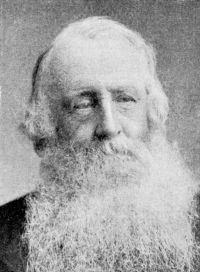
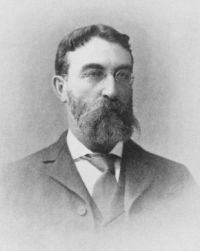
Portrait of George Burton Adams George Burton Adams,  The History of England from the Norman Conquest to the Death of John…

“ When the idea of the Church as a world-wide unity, more closely bound to its theocratic head than to any temporal sovereign, and with a mission and responsibility distinct from those of the state, took possession of the body of the clergy, as it began to do in the reign of Henry, it was impossible to maintain any longer the separateness of the Norman Church. ”
Source: Gutenberg

Edward Hutton,  England of My Heart : Spring

“ The church of St Mary of Great Chart is not mentioned in the Domesday Survey, but that a church existed here in the twelfth century is certain, for even in the present building we have evidences of Norman work, for instance in the walling of the south chapel, and in the vestry doorway. According to the Rev. G.M. Livett, [Footnote: K.A.S. 26.] the Norman nave was as long as that we have, which is built in all probability on its foundation. The aisleless Norman church, however, had a central tower to the east of the present chancel arch and transepts, as well as a chancel. ”
Source: Gutenberg

Charles Robert Leslie Fletcher,  A School History of England (1911)

“ Holidays were much more frequent; for the all-powerful Church forbade work on the very numerous saints’ days. Religion influenced every act of life from the cradle to the grave. All the village feasts and fairs centred round the village church and were blessed by some saint. The Norman bishops at once woke up the sleepy Saxon priests and abbots, taught them to use better music, more splendid and more frequent services, cleaner ways of life. Stone churches replaced the wooden ones, and those mighty Norman cathedrals, so much of which remains to-day, began to grow up. ”
Source: Wikisource

Get perspective with Kwize: daily news enlightened by great literature